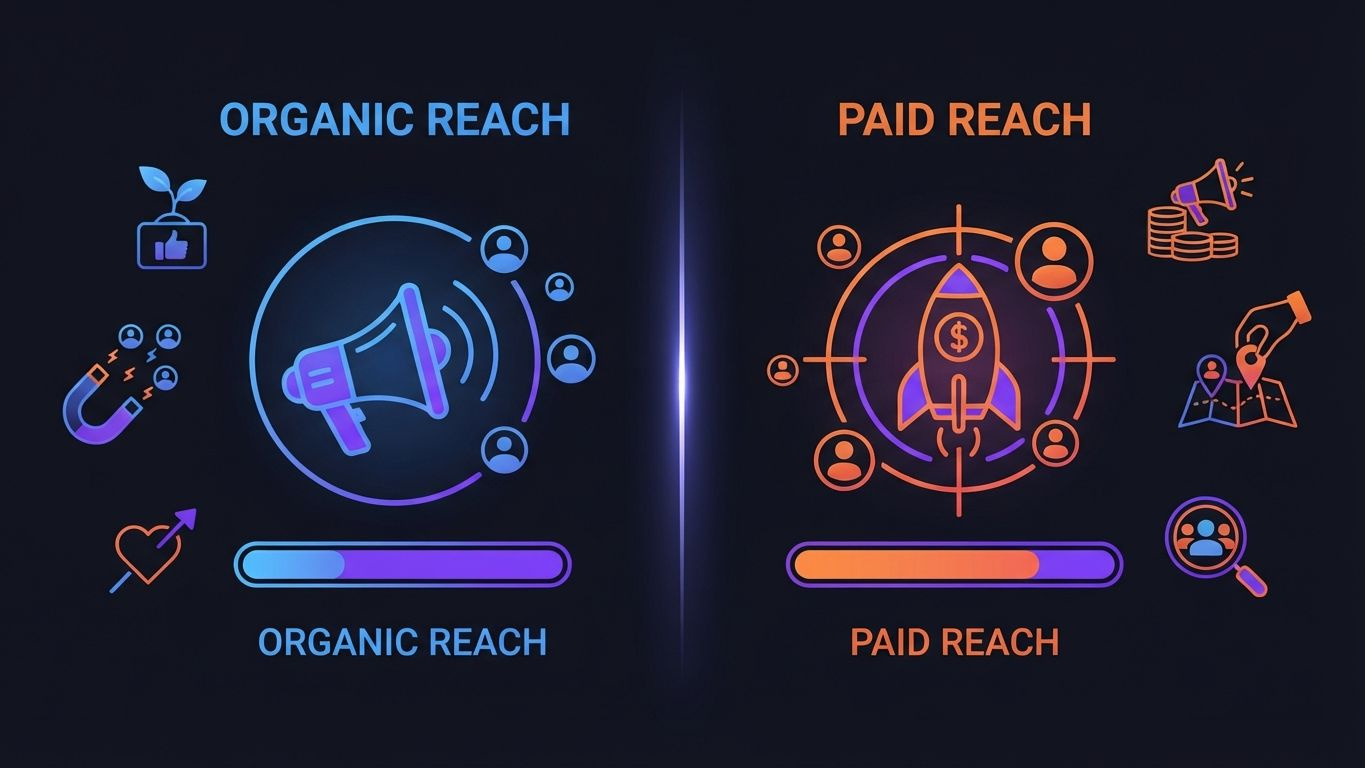
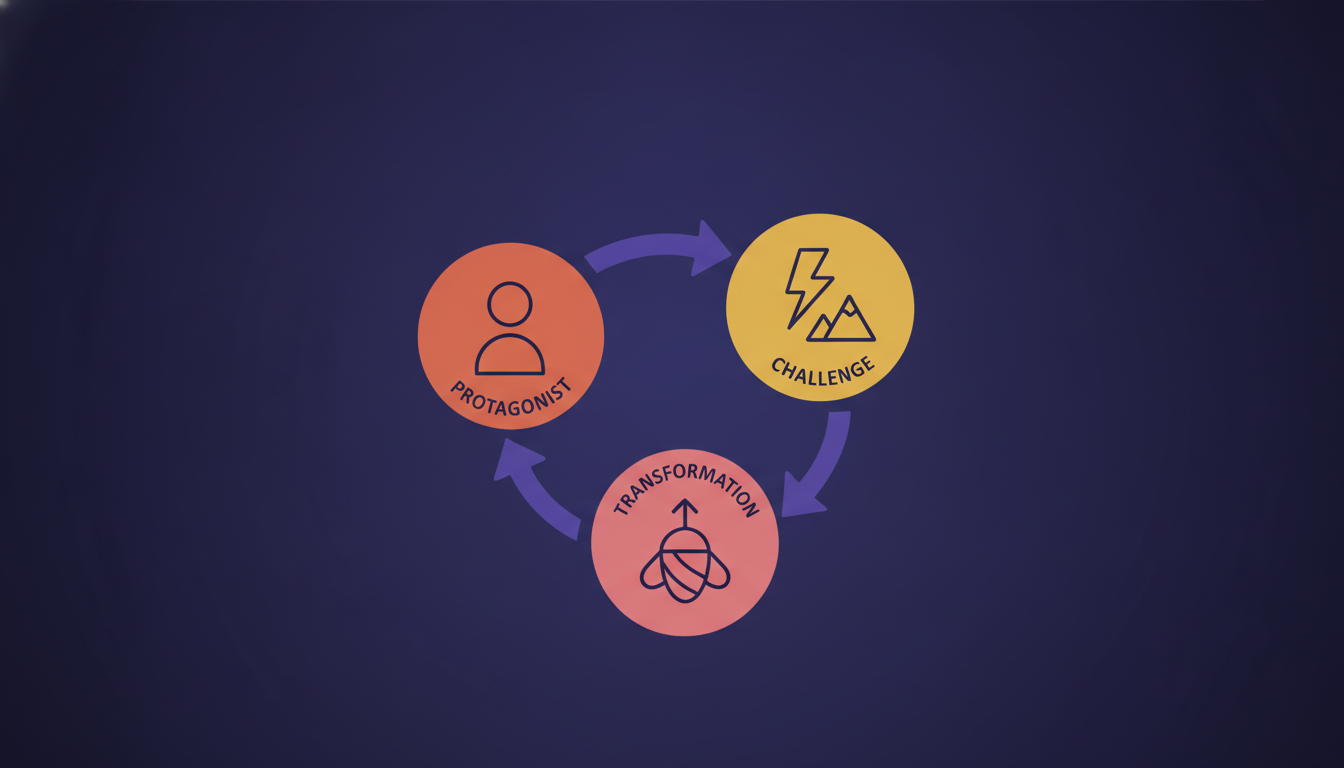
Community management is the difference between a brand that people follow and a brand that people belong to. When you actively manage your online community - responding to comments, handling complaints, sparking conversations - you build trust that no paid ad can replicate. Brands with strong community management see up to 3x higher customer retention rates, according to Sprout Social's 2026 Index.
- Responding to comments within 1 hour increases audience loyalty by up to 40% (Hootsuite, 2026)
- A clear tone-of-voice guide is the single most important document your community team needs
- Negative comments, handled well, can turn critics into some of your most vocal advocates
- Community health metrics - not just follower count - should drive your monthly reporting
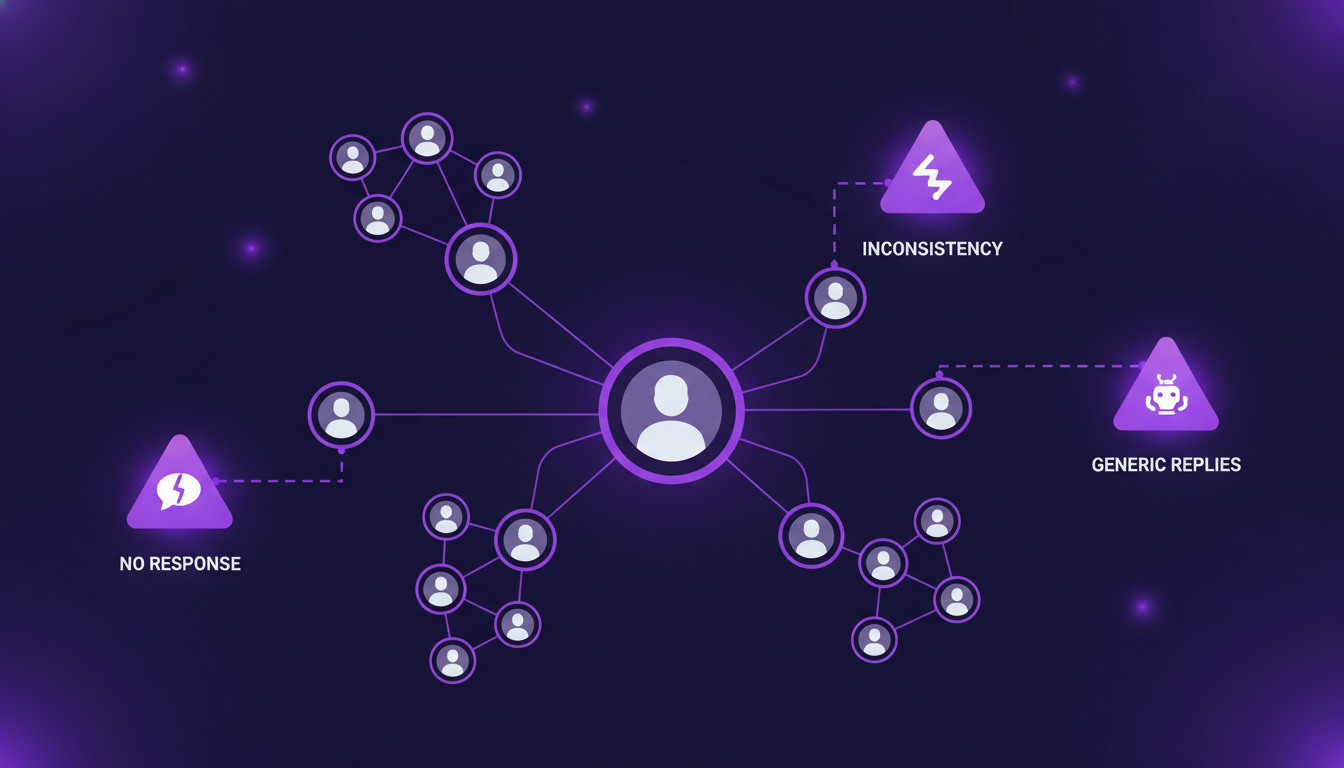
- Consistent, human interaction outperforms automated replies for long-term engagement growth
What Is Community Management and Why Does It Matter?
Community management is the practice of building, nurturing, and moderating an online audience around your brand - across social media channels, forums, groups, and comment sections. It is not just replying to messages. It covers tone, moderation policies, conflict resolution, and proactive conversation-starting.
The business case is clear. According to Sprout Social's 2026 Index, 77% of consumers say they are more likely to buy from a brand when they feel part of its community. That is not a soft metric - that directly connects community work to revenue. Brands that neglect comment sections and DMs are leaving real money on the table.
Community management also acts as a real-time feedback loop. Every question, complaint, or compliment in your comments is free market research. Brands that listen and act on that feedback consistently outperform competitors who treat social media as a one-way broadcast channel.
The Difference Between Social Media Management and Community Management
Social media management focuses on content creation and publishing - what you post and when. Community management focuses on what happens after you post - the conversations, relationships, and culture you build. Both are essential, but they require different skills and different mindsets.
- Social media management: Content calendar, scheduling, analytics, platform strategy
- Community management: Response handling, tone of voice, moderation, relationship building
- Overlap zone: Engagement-driven content formats, UGC campaigns, brand voice consistency
How Fast Should You Respond to Comments and Messages?
Speed is the single biggest factor in audience perception of your community management quality. Research from Hootsuite (2026) shows that 40% of users expect a brand response within one hour on social media. Waiting 24 hours or more drops satisfaction scores by over 50%.
This does not mean you need to be online around the clock from day one. It means you need a response-time system that is realistic and clearly communicated. Setting expectations - for example, pinning "We respond within 4 hours on weekdays" - reduces frustration more than you might expect.
Response Time Benchmarks by Platform
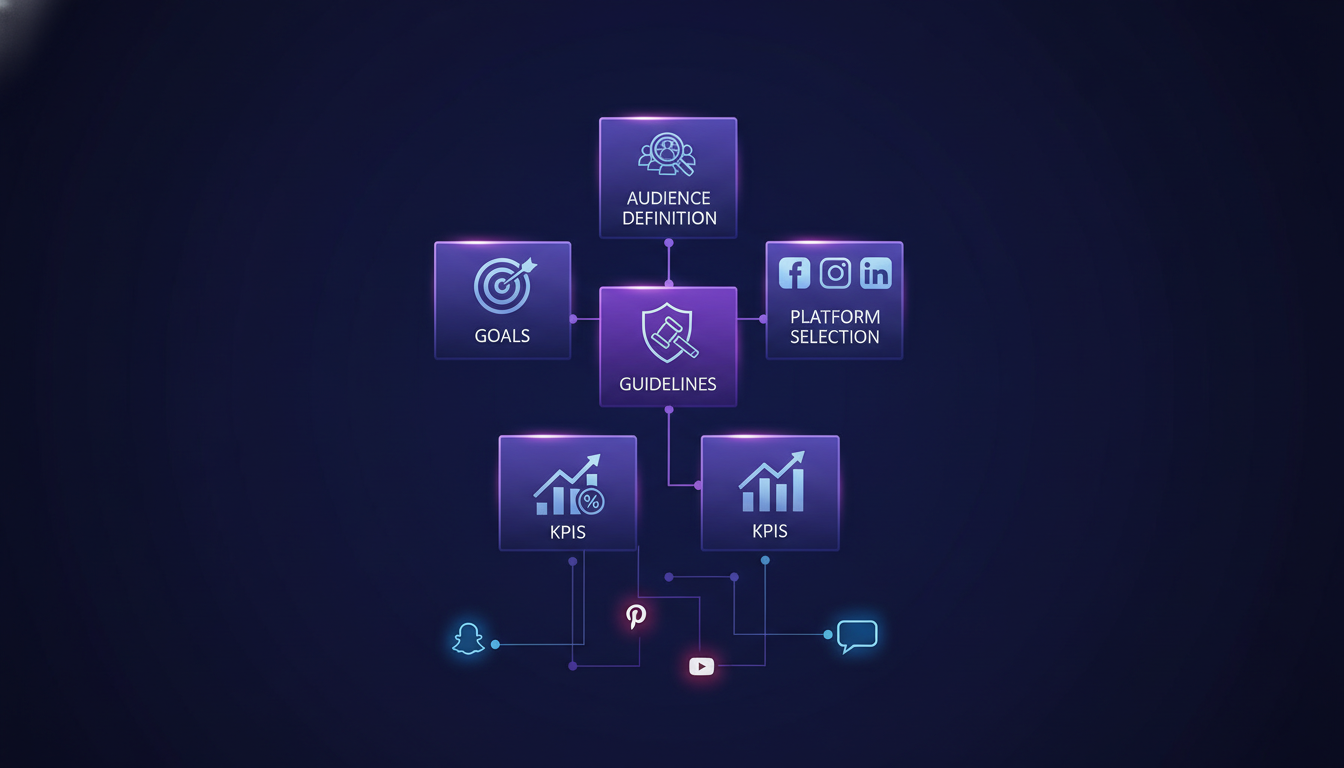
Not every platform demands the same urgency. Here is a breakdown based on current industry benchmarks:
| Platform | Audience Expectation | Best Practice Response Window | Priority Level |
|---|---|---|---|
| Twitter / X | Very high | Under 30 minutes | Critical |
| High | Under 1 hour | High | |
| Medium-high | Under 2 hours | High | |
| Medium | Under 4 hours | Medium | |
| TikTok | High (for viral content) | Under 1 hour on trending posts | High |
| Threads / Bluesky | Medium | Under 3 hours | Medium |
| YouTube | Low-medium | Within 24 hours | Standard |
| Low | Within 48 hours | Low |
On Twitter/X, a slow response during a product issue or trending mention can escalate into a PR problem within hours. On Pinterest, comments are far less time-sensitive. Prioritize your response queue accordingly.
How Do You Build a Brand Voice That Feels Human?
Your brand voice is the personality behind every reply, comment, and DM. A consistent, authentic voice makes your community feel like they are talking to a real person - not a corporate helpdesk. According to Edelman's Trust Barometer 2026, 68% of consumers say authenticity is the most important factor when choosing which brands to support.
Building that voice starts with documentation. Your community team - whether it is one person or ten - needs a shared reference point so every interaction sounds like it came from the same place.
How to Create a Community Tone-of-Voice Guide
Follow these steps to build a practical guide your team will actually use:
- Define 3-4 brand personality traits. Pick adjectives that are specific - "approachable" and "direct" are more useful than "friendly" and "professional," which mean different things to different people.
- Write "we do / we don't" examples. Show the difference between on-brand and off-brand language side by side. This is more useful than abstract descriptions.
- Address platform nuances. A LinkedIn reply can be slightly more formal than a TikTok comment reply. Acknowledge these differences without abandoning your core voice.
- Create response templates for common scenarios. Templates for complaints, compliments, questions, and sensitive topics save time and keep tone consistent - but always customize before sending.
- Review and update quarterly. Brand voice evolves. What felt right 12 months ago may feel stale now. Build a review cycle into your process.
One practical test: read your replies out loud. If they sound like a legal disclaimer, rewrite them. If they sound like something a real person would actually say, you are on the right track.
What Is the Right Way to Handle Negative Comments?
Negative comments are inevitable. How you handle them publicly defines your brand reputation more than the complaints themselves. A study by ReviewTrackers (2026) found that 53% of customers expect brands to respond to negative reviews within 7 days - and 63% say they are more likely to trust a brand that responds to criticism thoughtfully.
A Step-by-Step Framework for Negative Comment Responses
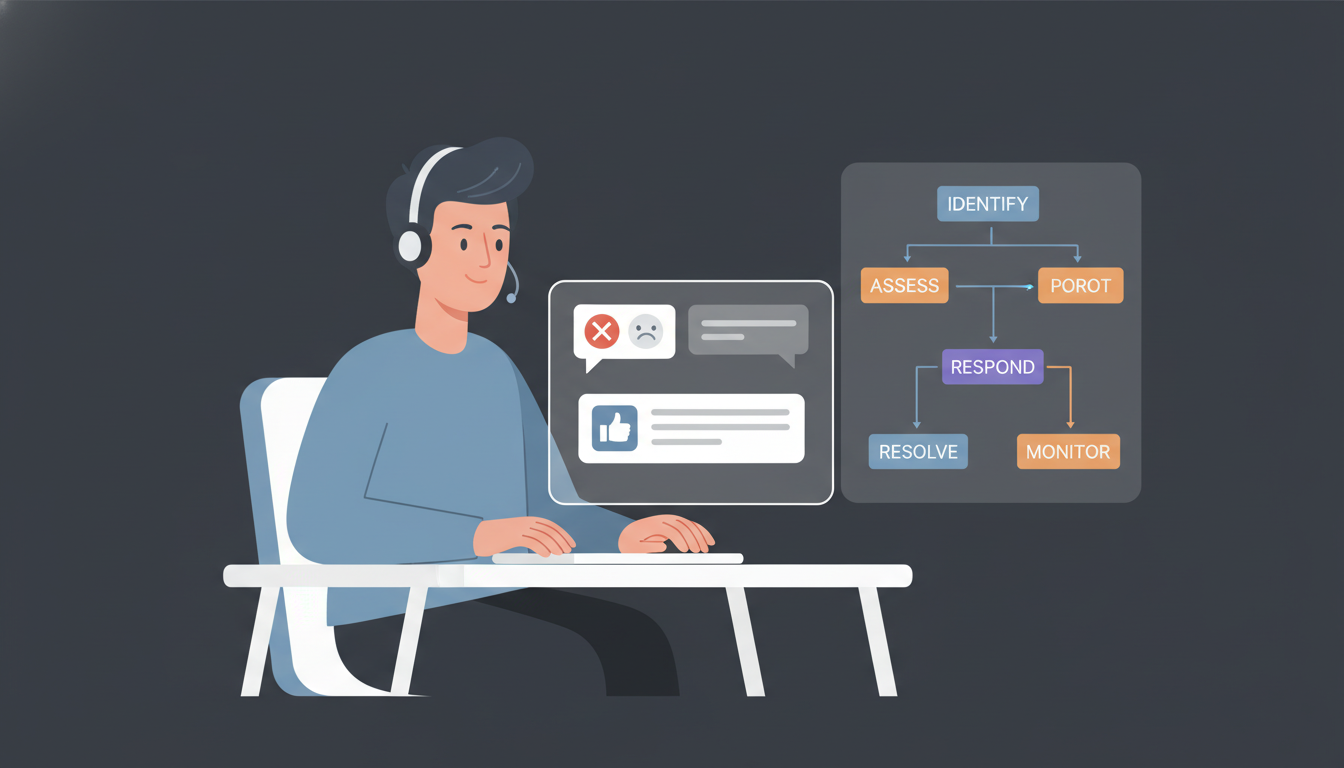
- Acknowledge first, solve second. Start with empathy, not explanations. "We hear you, and we are sorry this happened" disarms defensiveness before you address the problem.
- Never delete unless it violates community guidelines. Deleting legitimate complaints signals dishonesty to everyone watching. Only remove content that is abusive, spam, or breaks your stated guidelines.
- Move complex issues to DMs. Publicly acknowledge the issue, then invite the person to continue the conversation privately for resolution. This keeps threads clean and allows for a more thorough fix.
- Give a specific next step. Vague promises ("We will look into this") frustrate people. Tell them exactly what happens next: "Our support team will reach out within 2 business hours."
- Follow up publicly when resolved. If you solved a problem in DMs, a brief follow-up comment on the original thread ("Happy we could sort this out for you!") shows the community that complaints get results.
One category requires a different approach: coordinated negativity or trolling. In those cases, a single measured response followed by no further engagement is usually the right call. Feeding a pile-on rarely ends well.
When to Escalate vs. Handle Internally
- Escalate to legal or PR: Threats, defamatory claims, media inquiries disguised as comments
- Escalate to customer support: Order problems, billing disputes, technical failures
- Handle at community level: General frustration, product feedback, minor service complaints
How Do You Proactively Grow Engagement in Your Community?
Reactive community management - just responding to what comes in - is necessary but not sufficient. The brands with the most active communities do something different: they generate conversation, not just respond to it. According to HubSpot's 2026 State of Marketing report, brands that post interactive content see 52% more comments per post than those posting static content alone.
Proactive engagement means showing up in spaces beyond your own profile. Comment on posts by community members who tag you. Participate in relevant hashtag conversations. Recognize and amplify user-generated content. These actions signal that your brand is present, listening, and genuinely interested - not just broadcasting.
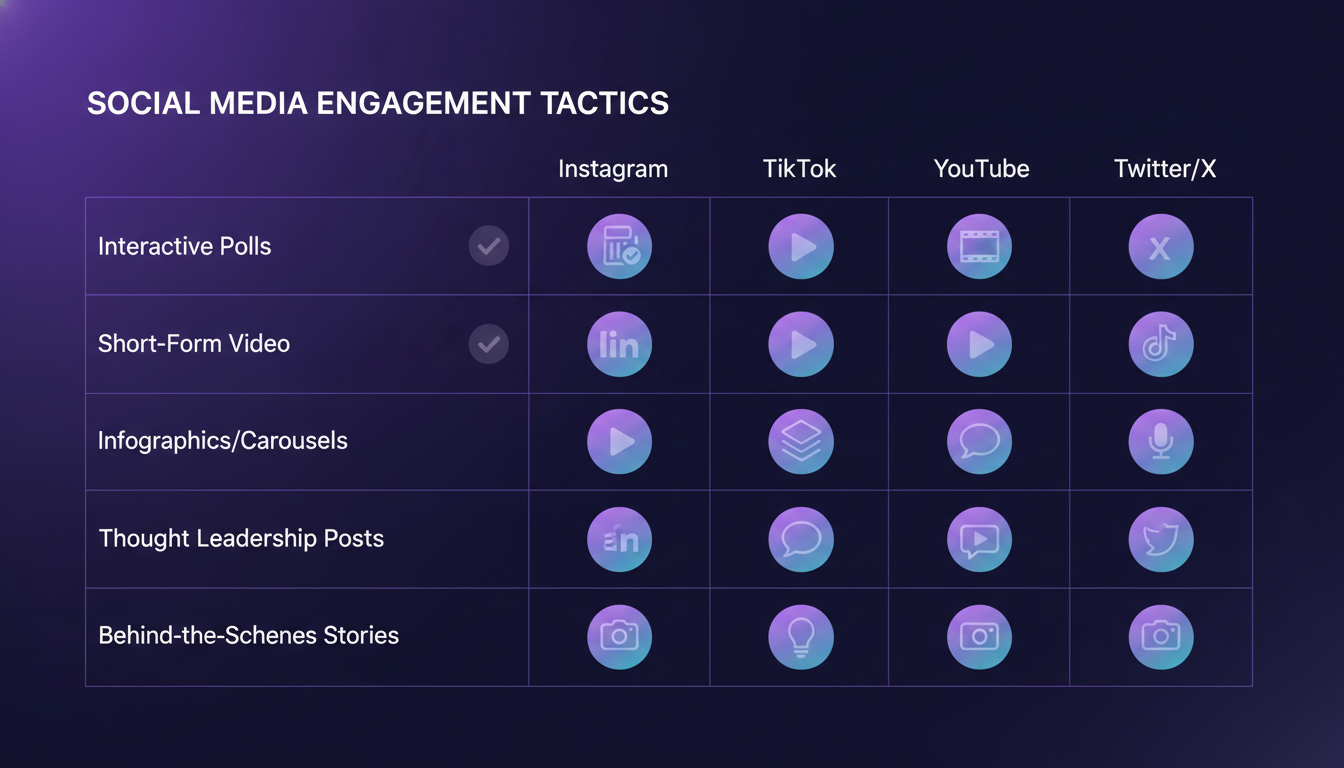
Engagement Tactics That Actually Work in 2026
- Ask specific questions, not open-ended ones. "What feature do you wish we had?" gets more responses than "What do you think?"
- Run community spotlights. Feature a customer, a UGC post, or a community member story weekly. It rewards participation and signals that you are watching.
- Use polls and quizzes strategically. These lower the barrier to entry for engagement - one tap beats writing a comment for most people.
- Celebrate milestones publicly. Hitting 50K followers, a product anniversary, or a community member's contribution deserves acknowledgment. These moments create emotional resonance.
- Respond to positive comments with depth. A quick "Thanks!" is fine. A genuine, specific reply to a compliment - referencing what they said - creates a memorable moment and encourages others to comment.
What Metrics Should You Track for Community Health?
Most teams default to tracking follower count and likes. Those numbers are not useless, but they do not tell you whether your community is healthy or growing in a meaningful way. The metrics that actually matter measure participation, sentiment, and retention - not just size.
Sprout Social's 2026 benchmark data shows that engagement rate (interactions divided by reach) is the strongest predictor of long-term community growth. Brands with engagement rates above 3% on Instagram consistently outgrow those focused on follower acquisition alone.
Core Community Health Metrics
- Engagement rate by reach: Comments + likes + shares divided by post reach. Target: above 2-3% on Instagram, above 1% on Facebook.
- Response rate: Percentage of comments and DMs that received a reply. Industry best practice: above 85%.
- Average response time: Track this weekly. Spikes in response time often correlate with team burnout or volume surges.
- Sentiment ratio: Positive to negative comment ratio over time. A worsening ratio before a PR issue is often detectable 2-3 weeks in advance.
- Community-driven conversions: Traffic or sales attributed to community actions - referrals, UGC clicks, or DM-initiated purchases.
- Repeat commenter rate: What percentage of people comment more than once per month? This measures loyalty, not just reach.
Tools like Brandlix give you a unified inbox and engagement analytics across all 10 major platforms in one dashboard, which makes tracking these metrics far less manual. But whichever tool you use, the key is reviewing these numbers weekly - not just at the end of each month.
How Do You Build Sustainable Processes for Long-Term Community Management?
Community management burns people out when there are no systems in place. The work can feel endless - there is always another comment to reply to, another DM waiting. Sustainable processes protect your team and keep quality consistent as your community grows.
According to a 2026 Buffer State of Social Media report, 41% of social media managers cite community management volume as their primary source of burnout. Building structure around the work is not optional - it is how you keep delivering quality over months and years.
Building a Repeatable Community Management System
- Set a moderation schedule. Define specific check-in windows rather than staying perpetually logged in. For most brands, three to four daily check-ins beat constant monitoring for both quality and mental health.
- Build a response library. Document your best responses to common questions. Update it monthly. A well-maintained library cuts reply time by up to 60% without sacrificing quality.
- Create a community guidelines document and publish it. Publicly posted guidelines make moderation decisions defensible and help members self-police.
- Define escalation paths clearly. Every team member should know instantly whether a comment is theirs to handle, or whether it goes to support, legal, or leadership.
- Run a weekly community debrief. A 15-minute review of the week's highlights, pain points, and emerging topics keeps the team aligned and surfaces insights for the content team.
- Review your community guidelines twice a year. Platforms change, audiences evolve, and the rules that worked in January may not hold up by July.
Avoiding the Most Common Community Management Mistakes
- Treating all platforms identically - each has its own culture and norms
- Deleting negative comments instead of addressing them
- Using identical copy-pasted replies without personalization
- Ignoring DMs in favor of public comments only
- Letting response time slip during high-volume periods without communicating delays
- Conflating reach growth with community health
Frequently Asked Questions
How many community managers does a brand need?
There is no universal answer, but a useful benchmark from Sprout Social suggests one community manager per 10,000-15,000 active community members. For smaller brands, a single person wearing multiple hats can manage effectively with strong systems in place. As volume grows beyond 500 monthly interactions, a dedicated role becomes worth the investment.
Should you respond to every single comment?
Ideally, yes - especially in the first hour after posting, when algorithms reward engagement velocity. In practice, prioritize comments that ask questions, express strong sentiment (positive or negative), or come from repeat community members. A quick acknowledgment - even a short, genuine reply - beats silence for building loyalty.
How do you handle a social media crisis through community management?
Move fast, stay transparent, and resist the urge to go quiet. Acknowledge the issue publicly within one hour of it surfacing, share a factual update as soon as you have one, and avoid defensive language. Designate one person to own all community responses during a crisis so the tone stays consistent. After the situation resolves, a brief public follow-up post closes the loop for your community.
What is the best way to encourage user-generated content (UGC)?
Ask for it directly and make it easy. Create a branded hashtag, feature UGC prominently in your content mix, and publicly thank people when they share. According to Nielsen's 2026 Consumer Trust study, 92% of people trust peer recommendations over brand content - making UGC one of the highest-ROI community management activities available.
Conclusion
Strong community management is not about replying to every comment at lightning speed. It is about creating a space where people feel heard, valued, and connected to something larger than a product. That takes consistent effort, clear processes, and a genuine human voice behind every interaction.
Start by auditing your current response times and sentiment metrics. Build or update your tone-of-voice guide. Create a simple escalation framework for your team. These three steps alone will put your community management ahead of the majority of brands operating on social media today. The brands that invest here - not just in content creation - are the ones building audiences that actually stick around.