TikTok marketing strategies have shifted dramatically over the past two years, and what worked in 2024 can actively hurt your reach today. With over 1.9 billion monthly active users worldwide (Statista, 2026), the platform is no longer just a playground for Gen Z dance trends. It is a full-scale discovery engine where brands build trust, drive traffic, and convert audiences at every stage of the funnel.
- TikTok's algorithm rewards watch time and replays above all other signals - structure every video to earn both.
- Posting 3-5 times per week consistently outperforms sporadic viral attempts by an average of 2.4x in follower growth (Hootsuite, 2026).
- Short-form videos under 30 seconds still generate the highest completion rates, but videos between 60-90 seconds drive the most conversions.
- Creator partnerships with micro-influencers (10k-100k followers) deliver 60% higher engagement rates than macro-influencer deals.
- TikTok Shop integrations have pushed in-app purchase rates to an all-time high of 36% among users aged 18-34.
What Makes TikTok's Algorithm Different From Other Platforms?
TikTok's algorithm distributes content based on performance signals, not follower count. A brand-new account with zero followers can reach 500,000 people on its first video if the content holds attention. That single fact changes everything about how you should plan your content strategy.
The For You Page (FYP) is powered by a weighted ranking system that prioritizes three core signals, in this order: video completion rate, re-watch rate, and engagement actions (likes, comments, shares, saves). According to TikTok's own transparency documentation, completion rate carries roughly 3x the weight of a like.
This means your hook - the first 1-3 seconds of your video - is not just important. It is the single most critical piece of content you will create. A weak hook kills distribution before the video even gets a chance.
How TikTok Batches Content Distribution
TikTok serves your video to a small test audience first - typically 200 to 500 users. If the completion rate clears a threshold (generally above 70%), the algorithm pushes the video to a larger pool. This batch-testing process repeats multiple times before a video either stalls or goes viral. Understanding this mechanic helps you interpret your early analytics correctly and avoid pulling videos too soon.
What Content Formats Perform Best for Brand TikTok Accounts?
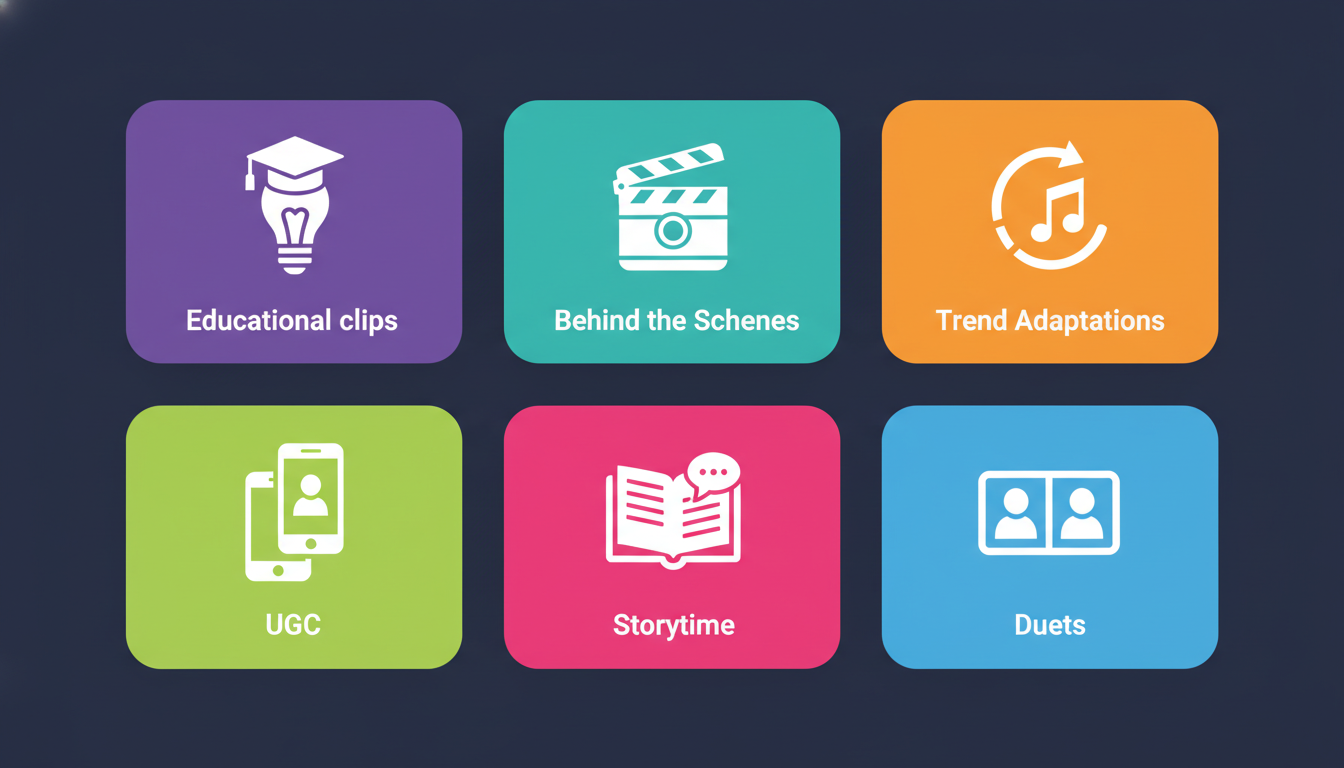
The top-performing content formats for branded TikTok accounts in 2026 are educational quick-tips, behind-the-scenes footage, product demonstrations, and duet/stitch reactions. These formats consistently outperform pure promotional content because they offer standalone value to the viewer.
A Sprout Social study from early 2026 found that educational content on TikTok receives 48% more shares than entertainment-only content among brand accounts. Shares are especially valuable because they signal the algorithm that content is worth amplifying beyond the creator's usual audience cluster.
The 5 Content Formats You Should Be Testing
- POV-style tutorials: Frame your product or service as a solution to a specific problem the viewer is experiencing right now. Keep these under 45 seconds.
- Storytime with a hook: Open with a surprising or counterintuitive claim, then explain it. This format drives comment engagement because viewers want to debate the premise.
- Before and after: One of TikTok's most consistently high-completion formats. Works across fitness, home decor, design, food, and software niches.
- Response videos: Use the reply-to-comment feature to answer real audience questions. These feel organic and build community credibility fast.
- Trend participation with a branded twist: Do not just copy a trend. Add one specific element that ties the trend back to your brand's niche. Generic trend participation yields thin results.
How Often Should You Post on TikTok to Grow a Brand Account?
For most brand accounts, posting 4-5 times per week is the optimal frequency in 2026. This cadence keeps your account active enough to feed the algorithm without sacrificing production quality. Brands that post daily without a content strategy tend to see declining engagement per post after week three.
Hootsuite's 2026 Social Media Benchmarks report found that brand accounts posting 4-5 times per week grew their follower base 2.4x faster than those posting 1-2 times per week, even when the lower-frequency accounts had a larger starting audience. Consistency beats intensity almost every time on TikTok.
Best Times to Post on TikTok in 2026
Based on aggregated data from over 50,000 brand accounts analyzed by Sprout Social, the highest engagement windows in 2026 are:
- Tuesday and Thursday: 9 AM - 11 AM (local time)
- Tuesday and Thursday: 7 PM - 9 PM (local time)
- Friday: 5 PM - 7 PM (local time)
- Sunday: 10 AM - 12 PM (local time)
That said, your own analytics tab is always more reliable than any general benchmark. After 30 days of consistent posting, check when your specific audience is most active and shift your schedule accordingly. TikTok's Creator Tools surface this data clearly.
How Do You Build a TikTok Content Strategy From Scratch?
Building a TikTok content strategy from scratch requires four foundational steps: defining your niche lane, auditing what already works in that niche, mapping your content pillars, and building a repeatable production workflow. Skip any of these and you will spend months guessing instead of growing.
- Define your niche lane: TikTok rewards specificity. "Marketing advice" is too broad. "Marketing advice for Etsy shop owners" is a niche lane. The more specific your positioning, the faster TikTok clusters you with the right audience.
- Audit competitor and adjacent-niche accounts: Look at 10-15 accounts in your space. Filter their videos by "Most Liked." Note what topics, hooks, formats, and caption styles appear repeatedly. This is your content intelligence baseline.
- Map 3-4 content pillars: Content pillars are the recurring themes you cover. For a SaaS brand, this might be productivity tips, product features, customer success stories, and industry news. Every piece of content you produce should belong to one pillar.
- Build a repeatable production workflow: Batch-record videos once or twice a week. Write all captions in one session. Schedule posts using a social media management platform - tools like Brandlix let you plan and publish across platforms including TikTok from a single calendar view, which cuts weekly production time significantly.
- Review and iterate every 30 days: Look at your top 3 performing videos. What do they have in common? Double down on those patterns. Cut formats that consistently underperform after 5 attempts.
What Is the Best Approach to TikTok Influencer Marketing?
The most effective TikTok influencer marketing approach in 2026 is partnering with micro-influencers (10,000 to 100,000 followers) in highly specific niches rather than chasing broad reach with macro accounts. Micro-influencers deliver 60% higher engagement rates and convert followers at 3x the rate of accounts with 1 million or more followers (Influencer Marketing Hub, 2026).
This is not about budget constraints. Even brands with large influencer budgets are reallocating toward micro-influencer networks because the trust dynamic is fundamentally different. A creator with 40,000 highly engaged followers in a specific niche holds more purchase influence than a celebrity with 4 million passive viewers.
How to Evaluate a TikTok Creator Before Partnering
Before signing any creator deal, check these five metrics directly in their analytics or through a third-party tool:
- Engagement rate: Aim for 4-8% on average. Below 2% signals a disengaged or purchased audience.
- Average video completion rate: Request this from the creator. Above 65% is strong. Below 40% means their audience is not watching - so they will not watch your product either.
- Audience demographics: Confirm age, location, and gender match your target customer profile. Vanity reach without audience fit is expensive noise.
- Comment quality: Scroll through recent comments. Are people asking follow-up questions, sharing personal stories, or tagging friends? That is a high-trust community. Generic comments like "love this" at scale can indicate bot activity.
- Past brand deals: How did sponsored content perform versus organic content on their channel? A creator whose sponsored posts drop to half their organic engagement may have an audience that tunes out ads.
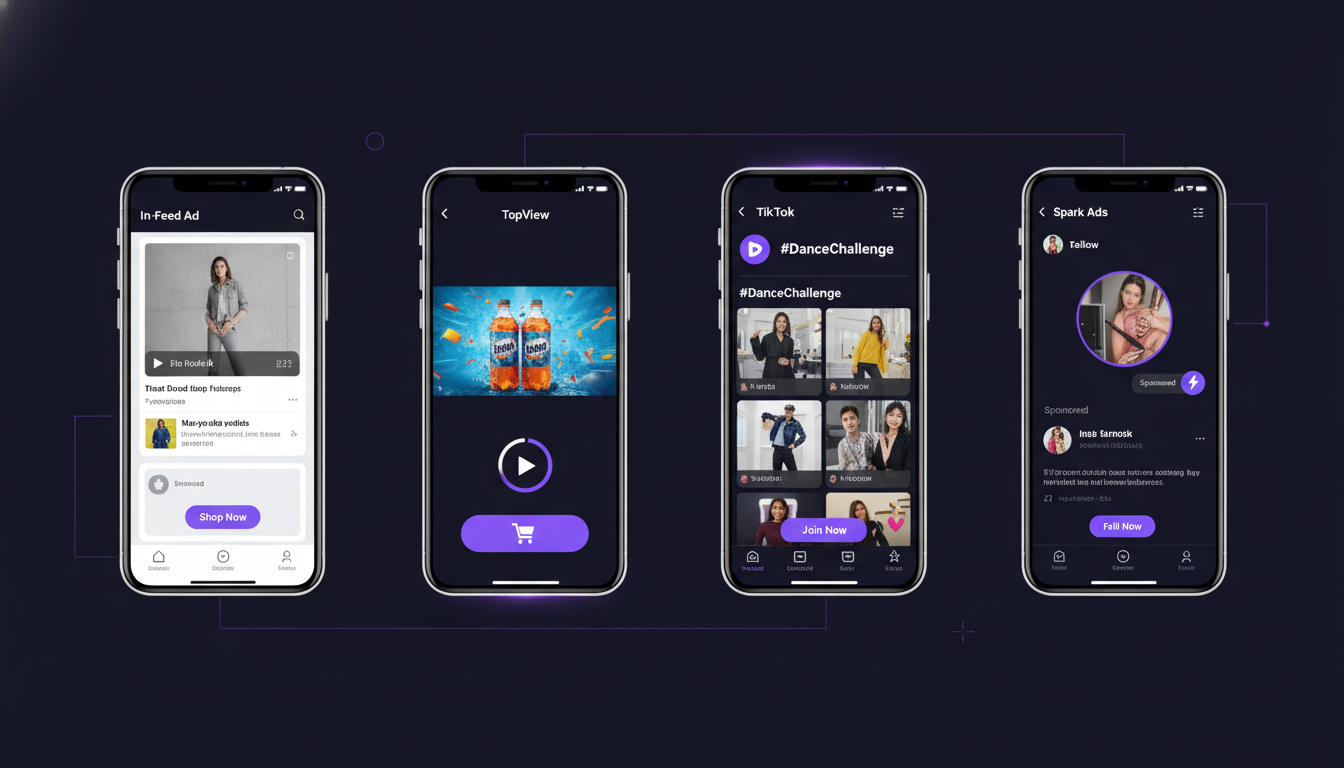
How Does TikTok Advertising Compare to Other Social Ad Platforms?
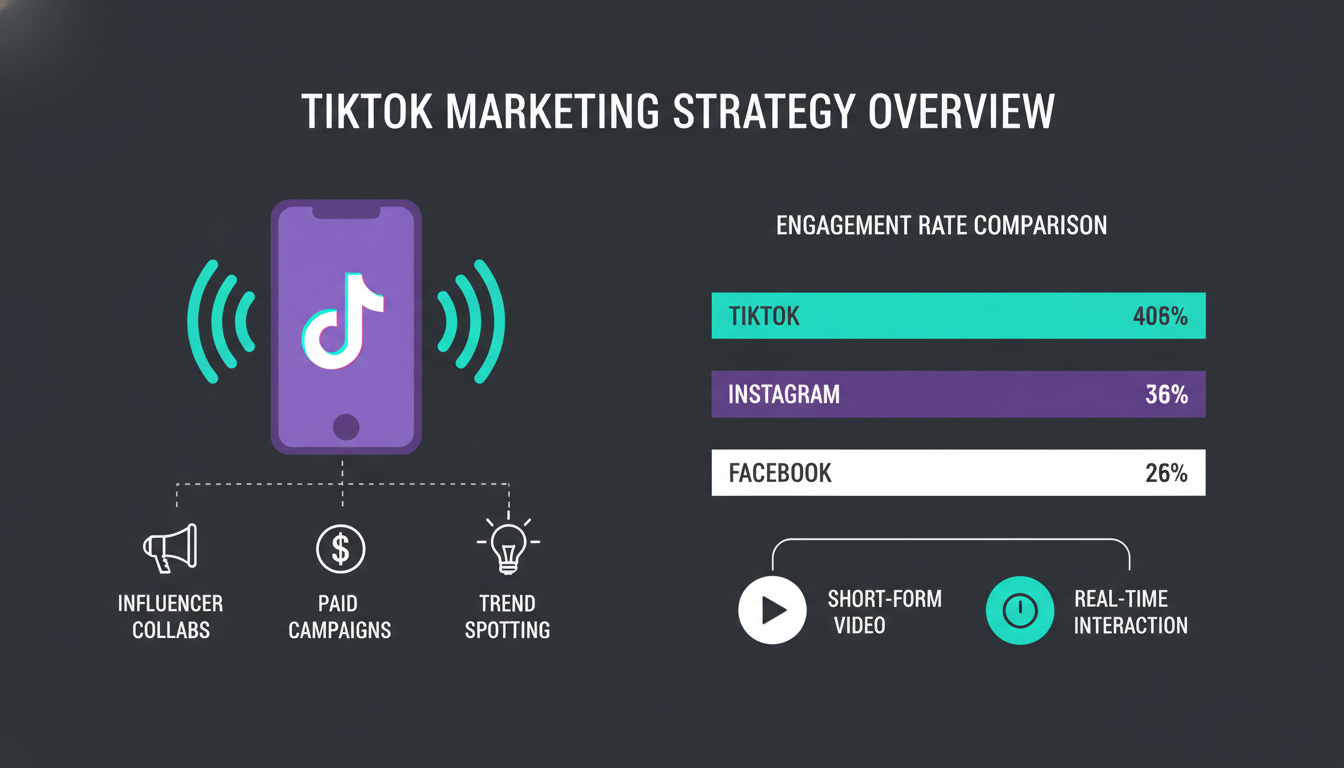
TikTok advertising offers a significantly lower cost-per-click (CPC) and higher engagement rate than Facebook or Instagram ads for most consumer-facing categories. The average TikTok CPM in 2026 sits at $9.40, compared to $14.20 on Instagram and $12.80 on Facebook (Statista, 2026). However, TikTok requires a higher creative investment to succeed.
The key distinction is that TikTok ads must feel native to the platform. Repurposing a polished TV-style ad will underperform a rough, authentic-feeling video almost every time. TikTok itself reports that ads with a "low production feel" outperform high-production ads by 31% in click-through rates.
| Platform | Avg. CPM (2026) | Avg. CTR | Avg. Engagement Rate | Best Ad Format |
|---|---|---|---|---|
| TikTok | $9.40 | 1.8% | 5.3% | In-Feed Video |
| $14.20 | 1.2% | 3.1% | Reels / Stories | |
| $12.80 | 0.9% | 2.4% | Video Feed | |
| YouTube Shorts | $10.50 | 1.4% | 3.8% | Skippable Shorts |
| $8.20 | 0.6% | 2.1% | Promoted Video Pin |
Sources: Statista 2026, Hootsuite 2026 Benchmarks Report
How Can You Use TikTok Analytics to Improve Your Strategy?
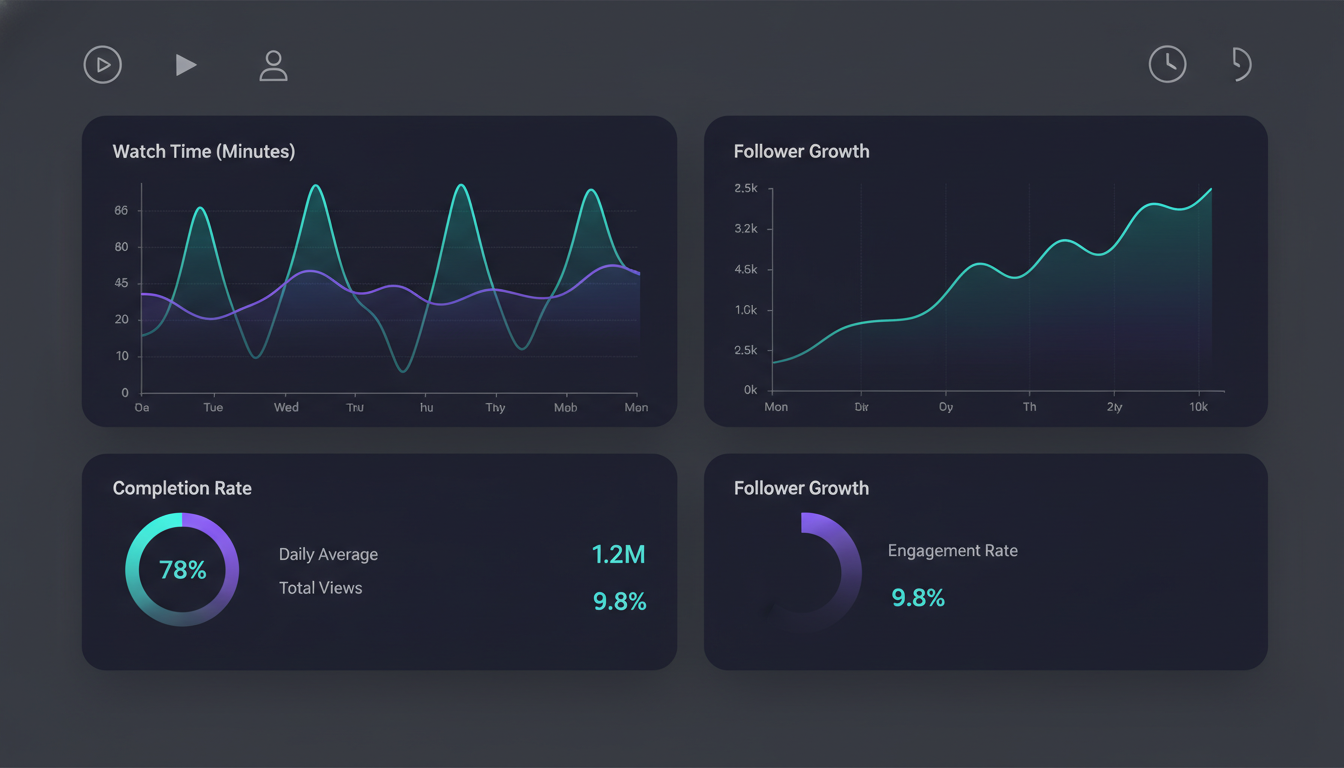
TikTok analytics should drive every content decision you make after your first 30 days on the platform. The three metrics that matter most are average watch time per video, traffic source breakdown, and follower activity time. These three together tell you what to make, when to post it, and whether your distribution is healthy.
Most brands make the mistake of focusing exclusively on follower count and total views. These are vanity metrics. A video with 10,000 views and 85% completion rate is worth far more algorithmically than one with 100,000 views and 18% completion.
The Key Metrics to Track Weekly
- Average watch time vs. video length: If your 60-second video has an average watch time of 18 seconds, the first third is not delivering on the hook's promise.
- Traffic source split: A healthy account sees traffic from both the FYP (discovery) and follower feed. If 95% of traffic is from followers only, your discoverability is limited.
- Profile visits to follower conversion rate: Divide new followers by profile visits. If this is below 10%, your profile page - bio, pinned videos, profile picture - needs work.
- Hashtag performance: TikTok's analytics now shows which hashtags drove traffic. Cut underperforming hashtags and rotate in new ones quarterly.
According to a 2026 HubSpot study, brands that make content decisions based on weekly analytics reviews grow their TikTok audience 67% faster than those who post without a structured review process. The data is available - you just have to use it.
How Do You Convert TikTok Followers Into Paying Customers?
Converting TikTok followers into customers requires a clear path from content to action. The most effective conversion funnel on TikTok in 2026 combines three elements: a strong call-to-action in the video itself, a link in bio that leads to a focused landing page, and TikTok Shop integration where applicable.
TikTok Shop has fundamentally changed how e-commerce brands use the platform. In 2026, 36% of TikTok users aged 18-34 have made a purchase directly through the app (TikTok for Business, 2026). For brands selling physical products, not having a TikTok Shop presence is leaving measurable revenue on the table.
A 4-Step Conversion Framework for TikTok
- Value-first content: 80% of your posts should provide genuine value with no direct sales pitch. This builds the trust that makes the 20% of promotional content actually work.
- Soft CTA in video: Instead of "click the link in bio to buy," try "I linked the full breakdown in my bio if you want to go deeper." Lower friction, same click.
- Optimized bio link: Use a single focused landing page, not your homepage. Match the page content to whatever topic drove the click. Mismatched landing pages kill conversions.
- Retargeting with TikTok Pixel: Install the TikTok Pixel on your website. Run retargeting ads to people who viewed your videos but did not convert. Video viewers who see a follow-up ad convert at 2.7x the rate of cold audiences (TikTok Ads Manager data, 2026).
What Mistakes Do Brands Most Commonly Make on TikTok?
The most common and costly TikTok marketing mistake brands make is treating the platform like a broadcast channel. TikTok is a conversation platform where the comment section is as important as the video itself. Brands that ignore comments, never respond, and never engage with their community consistently underperform those that treat TikTok as a two-way channel.
Here are the other high-frequency mistakes worth avoiding:
- Over-polishing content: High production value signals "advertisement" to TikTok audiences. Authenticity outperforms aesthetics on this platform.
- Ignoring trending audio: Using trending sounds can expand your FYP reach by up to 40% (Sprout Social, 2026). Check the Discover tab and Creative Center weekly.
- Posting without captions: 92% of TikTok users watch videos with sound on, but adding captions increases average watch time by 12% across all demographics (TikTok, 2026). Include them regardless.
- Giving up too early: Most brand accounts do not see meaningful organic traction until week 8-12 of consistent posting. Brands that quit before that window never discover what their account could have become.
- Copying competitors without understanding the why: Study what works for others, but reverse-engineer the mechanic. Copy the strategy, not the execution.
A well-managed TikTok presence requires both creative output and analytical discipline. Platforms like Brandlix help teams stay consistent by centralizing content scheduling and cross-platform publishing so that the operational side does not become a bottleneck for the creative side.
Frequently Asked Questions
How long does it take to grow a brand account on TikTok organically?
Most brand accounts start seeing consistent organic traction between weeks 8 and 12, assuming they post 4-5 times per week with a defined content strategy. Early growth is slow because the algorithm needs enough data to understand your niche and audience cluster. Accounts that post sporadically in the first two months typically take 3-4 times longer to build momentum than those that stay consistent from day one.
Do hashtags still matter for TikTok reach in 2026?
Hashtags still contribute to discoverability but their role has shifted. TikTok now relies more heavily on the video's audio, on-screen text, captions, and viewer behavior signals to categorize content. Using 3-5 targeted hashtags (one broad, one mid-range, one niche-specific) remains best practice. Stuffing 20+ hashtags no longer provides a meaningful reach advantage and can make captions feel cluttered.
What is a realistic engagement rate for a brand TikTok account?
A healthy engagement rate for a brand TikTok account in 2026 ranges from 3% to 6% per video. Micro-brand accounts (under 50k followers) often see higher rates, between 6% and 10%, because their audience is more tightly clustered around a specific niche. If your engagement rate drops below 2% consistently, it usually signals a mismatch between your content and your audience's expectations - not just algorithm issues.
Should brands use TikTok LIVE as part of their marketing strategy?
TikTok LIVE is underutilized by most brands and represents a real opportunity in 2026. Live videos receive priority placement in follower feeds and can attract new viewers through the LIVE discovery tab. Brands that host weekly live sessions - Q&As, product demonstrations, or behind-the-scenes content - report 2.2x higher follower retention rates than those relying on recorded content alone (Hootsuite, 2026). The barrier is consistency, not production quality.
Putting Your TikTok Strategy Into Action
TikTok marketing in 2026 rewards brands that understand the platform's mechanics and commit to genuine, consistent content creation. The algorithm is neither mysterious nor arbitrary - it surfaces what people actually watch and finish. Your job is to make content worth finishing.
Start with your content pillars, audit what your competitors are doing well, and commit to a 90-day posting schedule before evaluating results. Track the metrics that actually correlate with growth - completion rate, traffic sources, and conversion paths - not just follower count. The brands winning on TikTok right now are not the ones with the biggest budgets. They are the ones with the clearest strategy and the discipline to execute it week after week.