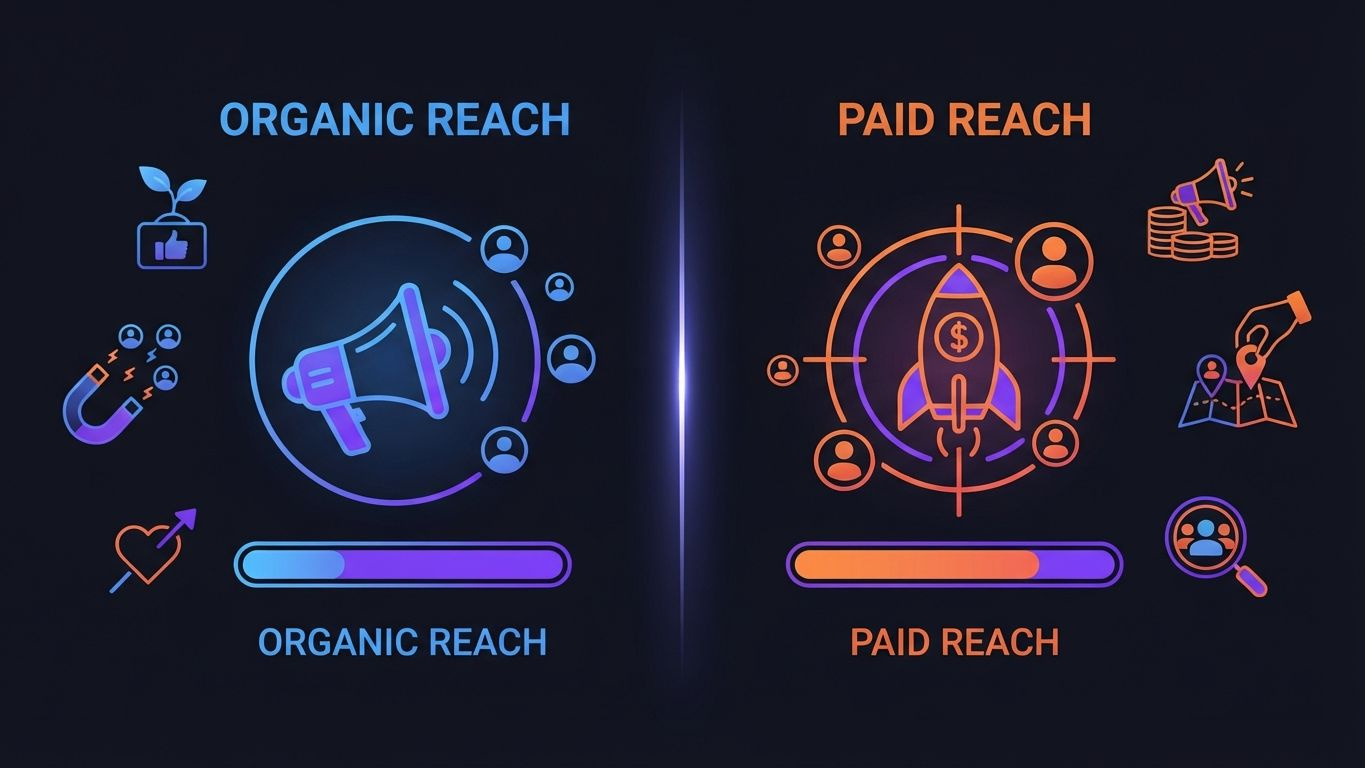
Organic vs. paid social media is one of the most debated questions in digital marketing, and for good reason. The choice you make determines how your budget, time, and content effort get distributed across every platform you manage. Neither approach is universally superior - your business stage, goals, and audience shape which one pulls more weight at any given moment.
- Organic social builds long-term trust and brand equity without direct ad spend, but reach is increasingly limited by platform algorithms.
- Paid social delivers fast, targeted reach and measurable conversions, but requires ongoing budget and careful creative testing.
- Most successful brands use a blended strategy - organic for community and credibility, paid for scale and precision.
- Average organic reach on Facebook pages sits below 5%, making paid amplification almost essential for large audiences.
- Knowing your cost per result and your content's organic engagement rate are the two numbers that should guide every budget decision.
What Is Organic Social Media and How Does It Work?
Organic social media is any content you publish without paying for distribution. Posts, stories, reels, threads, and community replies all count. The platform's algorithm decides how many of your existing followers - and potentially new audiences - actually see what you share.
The core mechanic is engagement signals. When your post earns early likes, comments, shares, or saves, the algorithm treats it as relevant and expands its reach. If it gets ignored in the first hour, distribution narrows fast. This is why posting time and content quality matter so much in organic strategy.
Organic reach has declined sharply over the past decade across most major platforms. Facebook's average organic reach for brand pages is widely reported to sit below 5% of total followers. On Instagram, carousel posts and Reels tend to outperform static images, but even top-performing organic content rarely reaches more than 10-20% of a page's audience without some paid boost.
Despite these numbers, organic social is far from dead. It builds something paid ads cannot buy directly - credibility. A brand that consistently shows up with useful, genuine content earns trust over time, and that trust shortens the sales cycle when someone finally encounters a paid ad or a word-of-mouth recommendation.
What types of content perform best organically?
Short-form video consistently outperforms other formats in organic reach across TikTok, Instagram Reels, and YouTube Shorts. Platform algorithms actively push video because it drives session time. Beyond video, the content types that tend to earn strong organic distribution include:
- Educational carousels and how-to posts (high save rates signal value)
- Behind-the-scenes content (authentic, low-production content builds relatability)
- User-generated content reposts (community signal, high trust)
- Timely commentary on industry news (shareability spikes when the topic is trending)
- Polls, questions, and interactive stories (direct engagement triggers algorithmic lift)
What Is Paid Social Media and When Should You Use It?
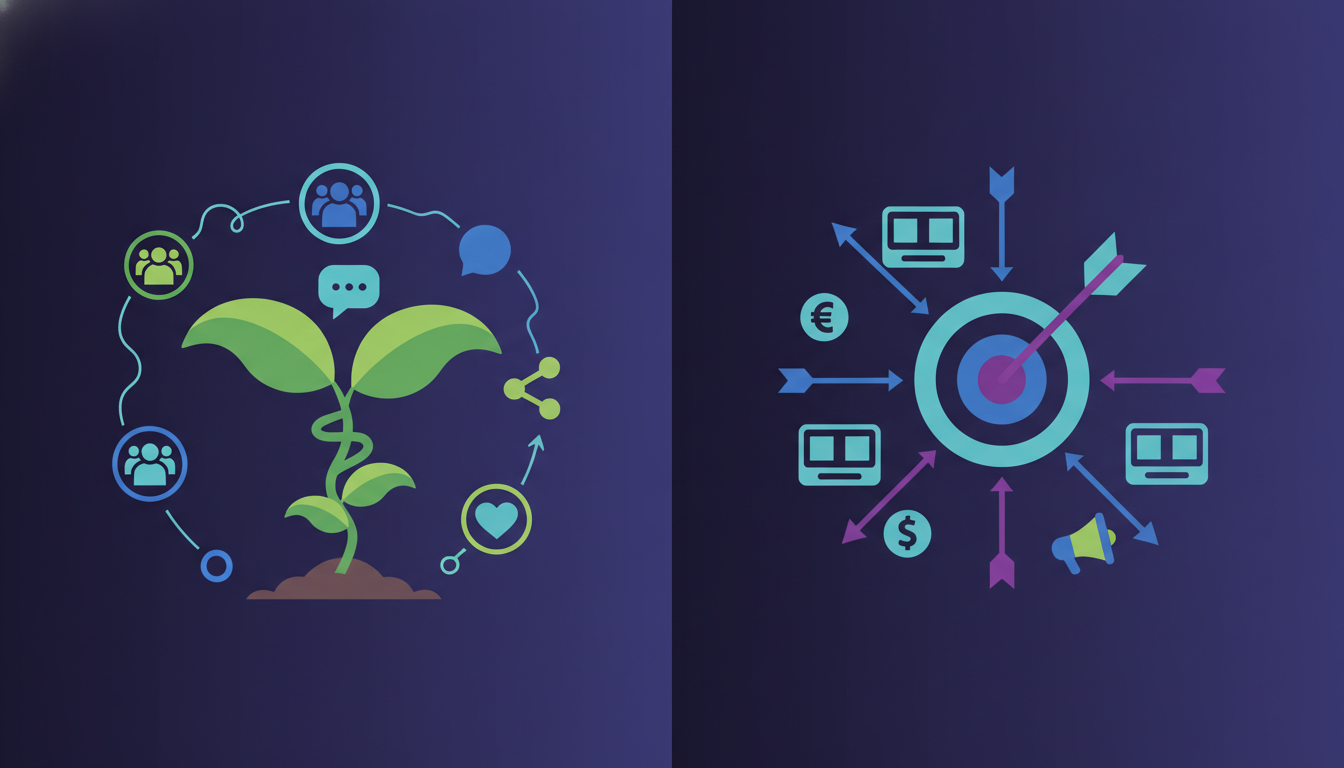
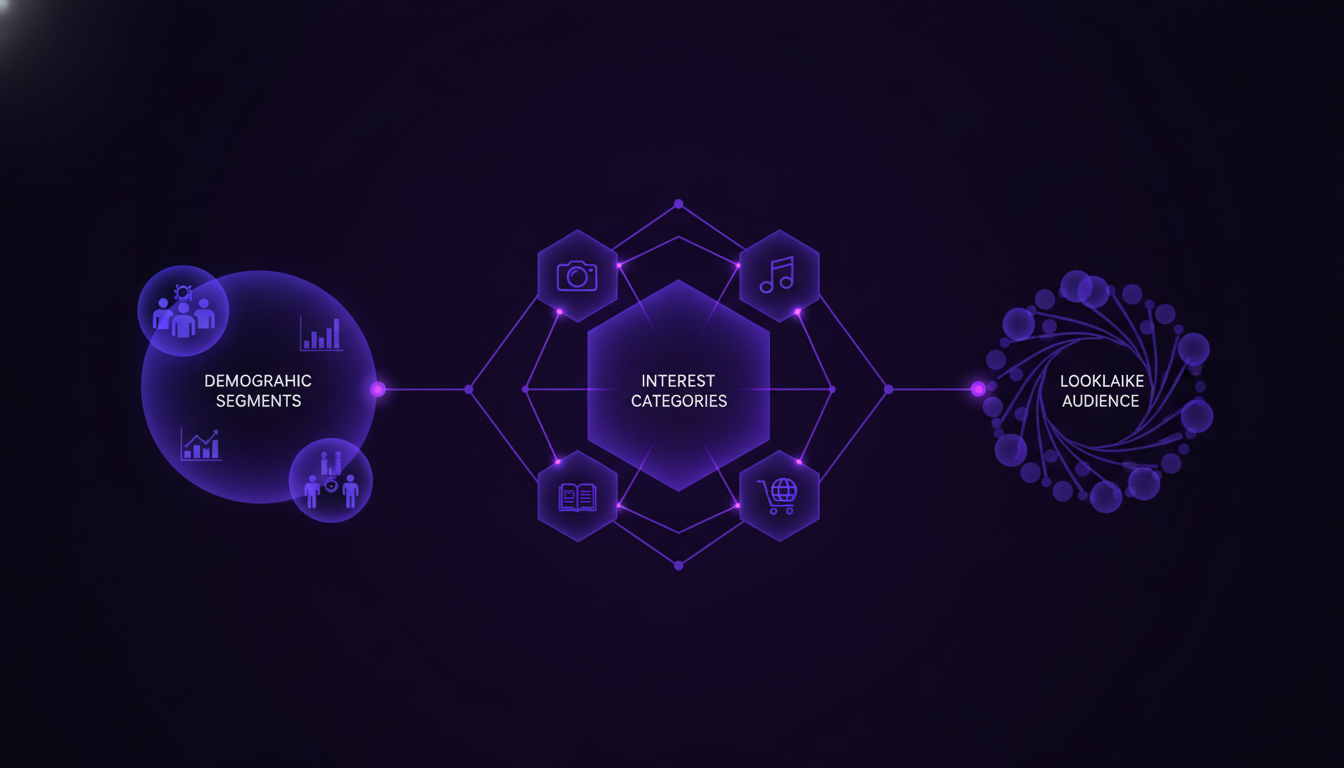
Paid social is any content amplified through a platform's advertising system - whether that is a boosted post, a full campaign built in Ads Manager, or a sponsored story. You pay for guaranteed impressions, clicks, or conversions, and you control exactly who sees the content based on demographics, interests, and behaviors.
Paid social makes the most sense in four situations: launching a new product or service, entering a new market, promoting time-sensitive offers, or scaling what organic has already proven works. Running paid ads on content that has already earned organic engagement is one of the lowest-risk moves in social advertising because you already have proof the creative resonates.
The average cost-per-click across Facebook and Instagram ads sits somewhere in the range of $0.50 to $3.00 depending on industry, audience size, and creative quality - though competitive verticals like finance and software can push CPCs much higher. LinkedIn ads consistently carry higher CPCs, often $5 to $10+, but the audience precision for B2B targeting justifies the premium for many brands.
Which platforms offer the best paid social ROI?
Return on ad spend varies significantly by platform and business type. Here is a practical breakdown based on general industry patterns:
| Platform | Best For | Typical Audience Targeting Strength | Average CPC Range |
|---|---|---|---|
| Facebook / Instagram | B2C, ecommerce, local businesses | Very high (interest + behavioral) | $0.50 - $3.00 |
| B2B, SaaS, recruiting | Very high (job title, industry, company) | $5.00 - $12.00 | |
| TikTok Ads | B2C, entertainment, younger audiences | Medium (interest + lookalike) | $0.50 - $2.00 |
| Pinterest Ads | Home, fashion, food, DIY | Medium (intent-based keywords) | $0.10 - $1.50 |
| YouTube Ads | Brand awareness, tutorials, product demos | High (search intent + demographics) | $0.03 - $0.30 per view |
| Twitter / X | News, tech, real-time campaigns | Medium (keyword + follower lookalike) | $0.30 - $2.00 |
How Do Organic and Paid Social Media Compare Head-to-Head?
The clearest way to understand the organic vs. paid social media divide is to look at five core dimensions: cost, speed, reach, trust, and longevity. Each approach has a distinct advantage profile, and that profile should match your current priority.
Cost
Organic social costs time and creative effort rather than direct media spend. Paid social has a hard dollar cost per result - but that predictability is also its strength. You can calculate cost per lead or cost per acquisition with paid campaigns in a way you simply cannot with organic content.
Speed
Paid social is fast. You can have a campaign live within hours and start seeing results the same day. Organic social is a slow compounding game. It typically takes 6 to 12 months of consistent posting before a brand sees meaningful organic follower growth and reliable reach - a timeline most marketers underestimate.
Reach and targeting
Paid social wins on precision. You can target by age, location, job title, household income, purchase behavior, and hundreds of other signals. Organic reach depends entirely on algorithmic favor and your existing audience. That said, organic content can go viral in ways paid posts rarely do - authenticity travels further than advertising when it hits the right nerve.
Trust and credibility
Research consistently shows that people trust recommendations and organic brand content more than they trust ads. Consumers are aware they are looking at a paid post when they see "Sponsored" in the feed. Organic content does not carry that disclosure, which gives it a credibility edge - especially in communities and on platforms like LinkedIn where professional peer content is valued.
Longevity
Paid campaigns stop the moment you stop paying. Organic content, particularly on platforms like Pinterest or YouTube, can continue driving traffic and engagement for months or even years after publication. A well-optimized YouTube video or a pinned Pinterest post has a lifespan that no ad buy can replicate.
What Are the Real Advantages of Building an Organic Social Strategy?
Organic social builds compounding assets. Every follower you earn organically is an audience member you do not have to keep paying to reach. Every piece of content that ranks well or gets shared creates a self-reinforcing cycle of credibility and discovery.
For brands that are just starting out or working with limited budgets, organic social is not optional - it is the foundation. A strong organic presence also makes paid campaigns more efficient. When someone clicks a paid ad and lands on a profile that looks inactive or generic, conversion rates drop. An active, well-maintained organic feed functions as social proof for every paid ad you run.
Building a content calendar is essential for organic success. Posting consistently - even three to four times per week - outperforms sporadic bursts of activity. Tools like Brandlix's content calendar help you plan months ahead and maintain that consistency without scrambling for ideas at the last minute.
Long-form organic content also creates repurposing fuel. One LinkedIn article can become five short-form posts. One YouTube tutorial becomes a blog post, an Instagram carousel, and a set of Pinterest pins. Organic content efficiency multiplies when you have a system for repurposing across platforms.
Key benefits of an organic-first approach
- No direct media spend required
- Builds brand voice and personality over time
- Earns follower trust through repeated positive interactions
- Creates evergreen content assets that work long-term
- Supports SEO through social signals and content syndication
- Provides creative testing data before committing ad budget
What Are the Real Advantages of Investing in Paid Social Campaigns?
Paid social gives you control. You decide exactly who sees your content, when, and how often. That level of precision is impossible with organic distribution, and for conversion-focused campaigns, it is often the difference between a campaign that pays for itself and one that does not.
Speed-to-result is the most underrated advantage of paid social. If you have a product launch, a limited-time offer, or a webinar happening next week, organic content cannot build the awareness you need in time. Paid campaigns solve that problem immediately. You can reach thousands of qualified prospects before the organic algorithm even decides to start showing your posts.
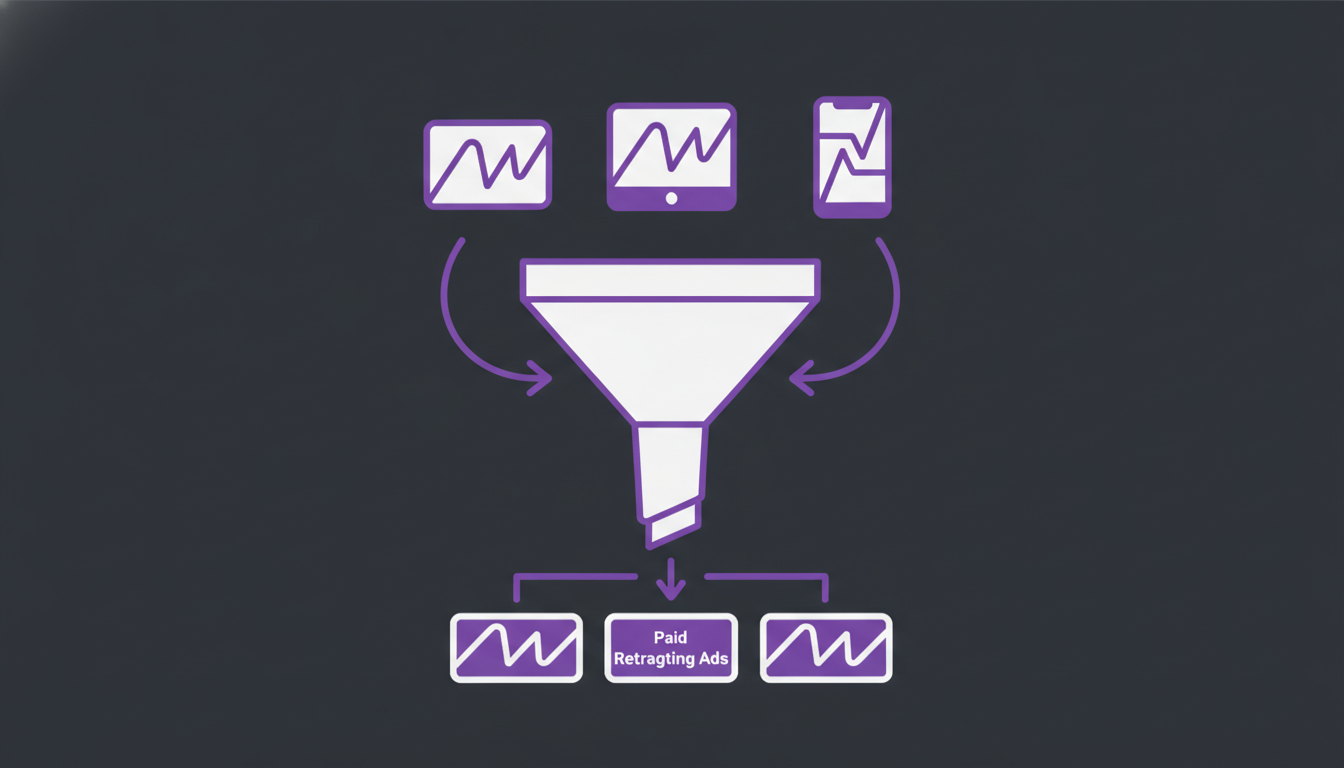
Retargeting is another paid-only capability that fundamentally changes how you convert warm audiences. Showing a tailored ad to someone who has already visited your website, watched 75% of your video, or engaged with your profile is far more efficient than showing it to cold audiences. Retargeting audiences typically convert at 2 to 5 times the rate of cold traffic - making them some of the highest-return segments in any paid campaign.
Tracking and attribution are also cleaner with paid social. You can connect ad spend to clicks, leads, and sales through pixel tracking and conversion APIs. This makes reporting straightforward and helps you justify budget to stakeholders with hard numbers rather than engagement trends.
How Do You Build a Blended Organic and Paid Social Strategy?
The most effective social media strategies do not choose one over the other. They treat organic and paid as two gears in the same engine - each doing what the other cannot. Here is a practical process for building a blended strategy:
- Audit your current organic performance. Before spending a dollar on ads, know which of your organic posts generate the most engagement, saves, and link clicks. These are your proven creative assets.
- Define your funnel stages. Map which content serves awareness (top of funnel), consideration (middle), and conversion (bottom). Paid and organic play different roles at each stage.
- Allocate budget based on stage and urgency. Use organic for consistent top-of-funnel presence and community building. Use paid for mid-funnel retargeting and bottom-funnel conversion pushes.
- Boost your best organic content. Instead of creating separate ad creatives from scratch, promote posts that have already shown organic traction. This reduces creative risk and lowers your cost per result.
- Set distinct KPIs for each channel. Track organic reach, engagement rate, and follower growth separately from paid CPM, CPC, and ROAS. Mixing the two makes attribution murky.
- Test paid, then scale what wins. Run small-budget tests on multiple ad variations ($10-$20 per variation per day for 3-5 days). Pause underperformers and allocate budget to winners before scaling.
- Feed paid learnings back into organic. The audience segments, creative angles, and hooks that win in paid ads often reveal what resonates most broadly. Apply those insights to your organic content calendar.
How much should you spend on paid vs. organic?
There is no universal right answer, but a common starting framework is to allocate roughly 70% of your social media effort (time and content budget) to organic and 30% to paid amplification. For brands in high-competition categories or with aggressive growth targets, that ratio often shifts toward 50/50 or even 60% paid. Early-stage brands with tight budgets often start 90% organic and add paid incrementally as revenue grows.
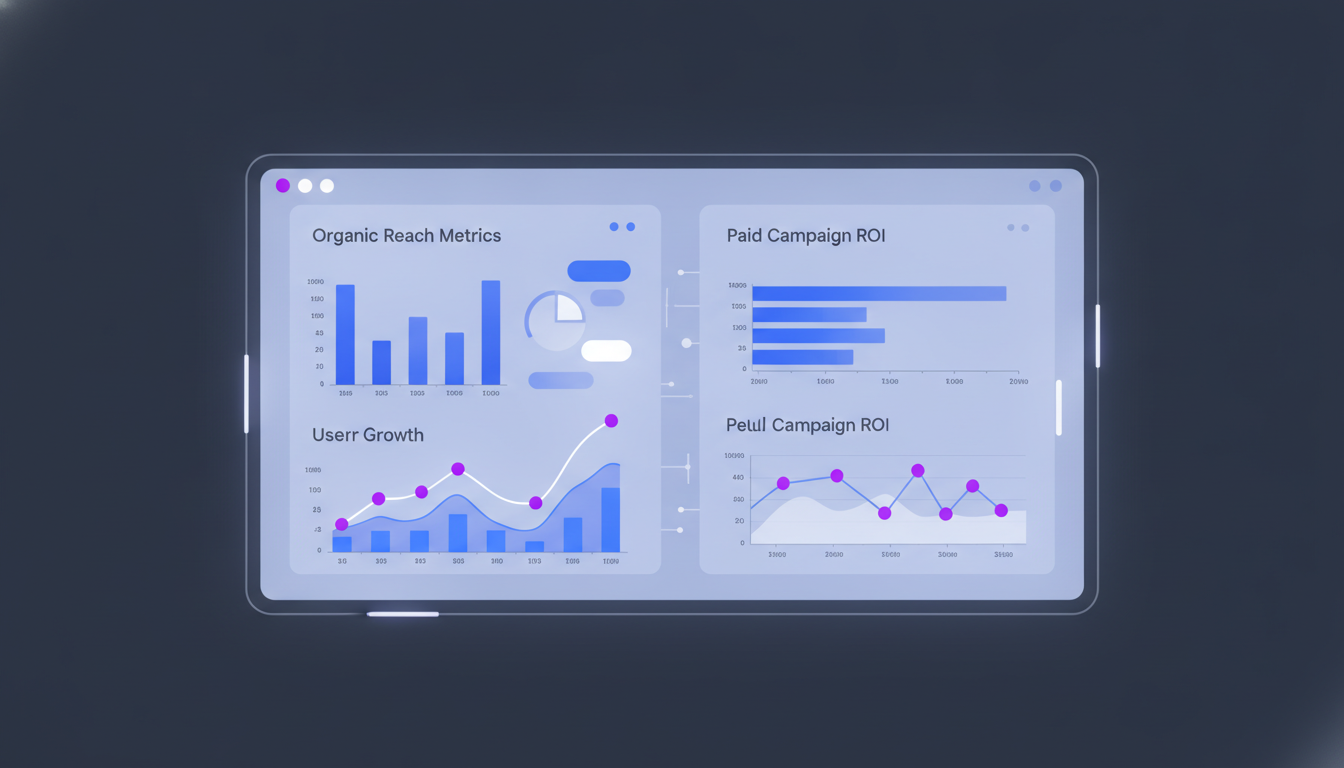
Using a tool like Brandlix's social media analytics to track both organic and paid performance in one place removes the guesswork from these budget decisions - you can see exactly which channel is driving results and shift resources accordingly.
What Metrics Should You Track for Organic vs. Paid Social Media?
Tracking the right numbers prevents the common mistake of optimizing for vanity metrics like follower count while ignoring the numbers that actually connect to business outcomes. The metrics differ by channel, and conflating them leads to bad decisions.
Organic social metrics to monitor
- Organic reach rate: Reach divided by total followers. Tracks how well the algorithm is distributing your content.
- Engagement rate: Total interactions divided by reach. Benchmarks vary - 1-3% is reasonable on most platforms for brand accounts.
- Follower growth rate: Net new followers per week or month. A sustained positive rate signals content-audience fit.
- Save rate (Instagram): Saves indicate content people find worth returning to - a strong signal of real value.
- Profile visits from content: Shows whether content is driving curiosity and consideration.
Paid social metrics to monitor
- Cost per click (CPC): Total spend divided by clicks. Essential for any traffic-driving campaign.
- Cost per thousand impressions (CPM): Measures awareness campaign efficiency.
- Click-through rate (CTR): Clicks divided by impressions. Average CTR across most social platforms sits between 0.5% and 2% - higher means your creative is compelling.
- Conversion rate: How many ad clicks result in the desired action (purchase, sign-up, download).
- Return on ad spend (ROAS): Revenue generated divided by ad spend. The north star metric for most ecommerce paid campaigns.
- Frequency: Average number of times the same person sees your ad. Frequency above 4-5 in a short window often signals audience fatigue.
Knowing your numbers across both channels is how you make the organic vs. paid social media debate irrelevant. When you can see cost per result side by side with organic engagement trends, the right allocation becomes obvious rather than philosophical. Brandlix's AI-powered social media management features help surface these cross-channel insights automatically, so you spend less time pulling reports and more time acting on them.
How Do Platform Algorithms Affect Your Organic vs. Paid Strategy in 2026?
Platform algorithms in 2026 are more sophisticated than they were three years ago, and they treat organic and paid content differently in ways that matter for strategy. Understanding the current logic of each platform's algorithm helps you work with it rather than against it.
On TikTok, the algorithm distributes organic content to non-followers aggressively if early watch-time signals are strong. This makes TikTok one of the few platforms where a brand-new account with zero followers can still reach hundreds of thousands of people organically. Use a dedicated TikTok scheduler to post at optimal times and maximize those early engagement signals.
On LinkedIn, organic content from personal profiles consistently outperforms brand page posts because the algorithm weights person-to-person engagement more heavily. This means your executives and team members posting on their personal profiles is genuinely one of the highest-leverage organic tactics for B2B brands - and it costs nothing. Pair that with a LinkedIn scheduling tool to keep their presence consistent.
Instagram's algorithm in 2026 increasingly rewards original content over reposts and aggregation. Reels continue to get broader distribution than static posts, and the Explore page remains one of the most powerful organic discovery channels on any social platform. Building a posting rhythm with original video content is the single most reliable way to grow organically on the platform - a Instagram scheduler makes that easier to maintain week over week.
On Facebook, organic reach for brand pages remains constrained, but content shared in Groups continues to see higher engagement rates than page posts. For brands willing to invest in community building inside relevant Facebook Groups, organic reach can be substantially better than the headline numbers suggest.
Frequently Asked Questions
Is organic social media really worth the effort in 2026?
Yes, but with realistic expectations. Organic social will not replace paid reach for large-scale distribution, but it builds brand credibility, community, and evergreen content assets that paid advertising cannot replicate. The brands that skip organic entirely often find their paid campaigns underperforming because there is no trust-building baseline supporting them. A consistent organic presence also reduces your long-term dependency on paid spend by growing an owned audience over time.
How much budget do I need to start with paid social media?
You can run meaningful paid social tests with as little as $300 to $500 per month across one or two platforms. The key is focus - spreading a small budget across five platforms produces nothing useful. Start on the one platform where your target audience is most active, run two or three ad variations at $10 to $20 per day per variation for a week, and let the data tell you which creative and audience combination earns the lowest cost per result before scaling up.
Should I boost organic posts or build dedicated ad campaigns?
Boosting organic posts is the right move when a post has already shown strong organic engagement and you want to extend its reach quickly. Building a dedicated campaign in Ads Manager is better when you have specific conversion goals, need precise audience targeting, or want to run A/B tests on creative. Most brands benefit from doing both - boosting top-performing organic content while running dedicated campaigns for lead generation and conversion objectives.
Which social media platforms are best for organic growth right now?
TikTok and YouTube Shorts offer the best organic reach potential in 2026 because their algorithms actively distribute content to non-followers based on interest signals rather than follower count. LinkedIn is strong for B2B organic reach when posts come from personal profiles. Pinterest is valuable for evergreen organic traffic in visual niches because pins continue driving clicks for months. Facebook and Instagram organic reach is the most constrained, making paid amplification more necessary on those platforms if reach is a primary goal.
The organic vs. paid social media question does not have a single right answer - it has a right answer for your current situation. If you are building brand presence and trust over time, organic is your best investment. If you need results this quarter or are entering a new market, paid social earns its budget fast. For most brands, the real opportunity lies in running both in parallel: let organic content build the credibility and community that makes your paid ads more believable, and let paid campaigns amplify the organic content that has already proven it resonates. That combination is harder to replicate than any single-channel approach - and that is exactly what makes it worth building.