Visual storytelling for brands is no longer optional. When your audience scrolls through hundreds of posts per day, a single well-crafted image or short video can stop the thumb, communicate your brand values, and build a relationship that plain text rarely achieves. This guide walks you through how to build a visual narrative that actually works across platforms in 2026.
- Visual storytelling combines image, video, and design to communicate brand values faster than text alone.
- Consistent visual language across platforms increases brand recognition significantly.
- Short-form video, carousels, and infographics are the highest-performing visual formats in 2026.
- A defined color palette, typography, and composition style are the foundation of any strong visual identity.
- Planning your visuals in a content calendar prevents inconsistency and saves production time.
What exactly is visual storytelling for brands?
Visual storytelling is the practice of using images, video, graphics, and design to communicate a brand's narrative, values, and personality. Instead of telling your audience who you are through words, you show them through consistent visual choices that add up to a recognizable identity over time.
The distinction from plain visual content matters. A product photo is just a product photo. A visual story shows that product in context - who uses it, what problem it solves, how it fits into a life. That context is what creates emotional connection, and emotional connection is what drives purchase decisions and long-term loyalty.
Brands that invest in a structured visual narrative see stronger recall than those that simply post whenever inspiration strikes. The brain takes in images very quickly, which helps explain why visual content consistently outperforms text-only posts across almost every platform metric.
The three layers of a brand visual story
- Identity layer: Colors, typography, logo usage, and recurring design motifs that make your brand immediately recognizable.
- Context layer: The environments, people, and situations you place your brand in - this communicates your audience and values.
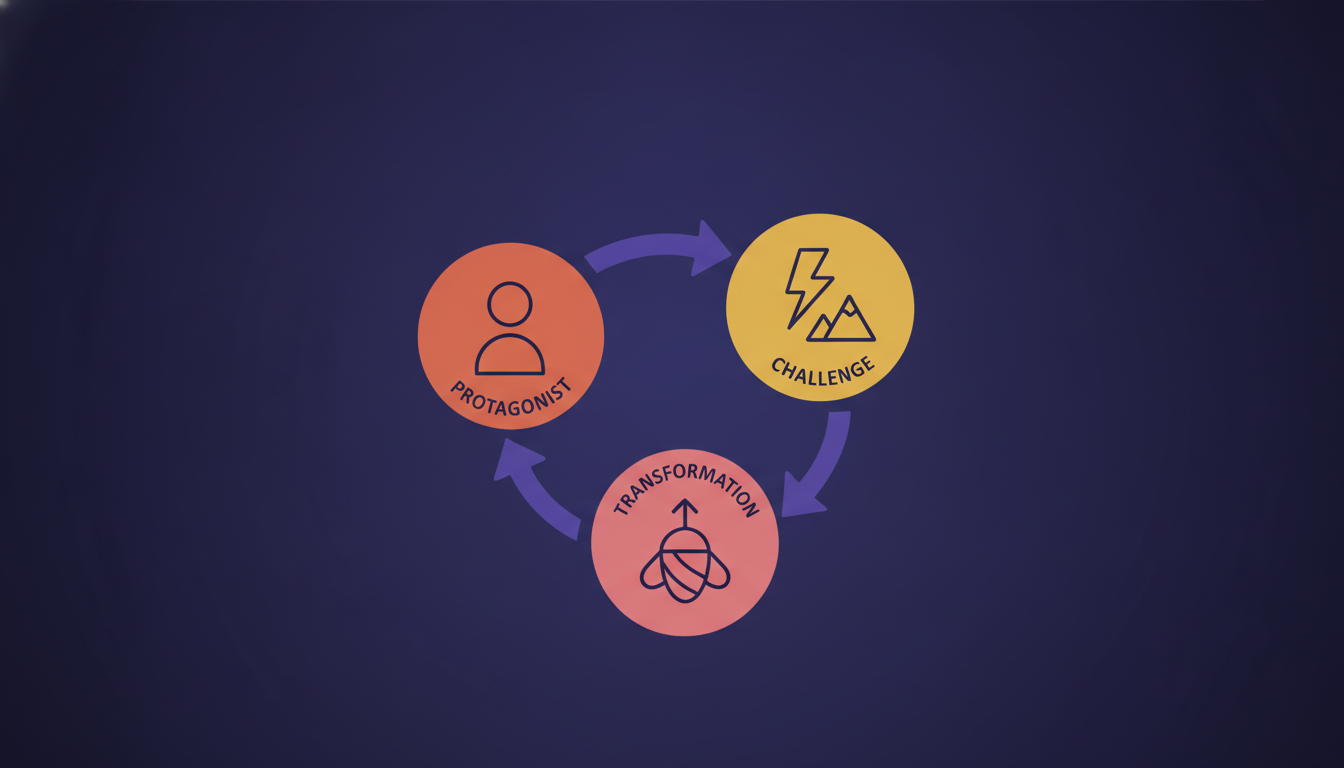
- Narrative layer: The sequence of visual content over time that builds a coherent story arc for your brand.
Why does visual storytelling outperform text content on social media?
Visual content generates higher engagement rates than text-only posts across every major platform. Posts with images receive around 2.3 times more engagement on Facebook than those without. On LinkedIn, posts that include an image get roughly 98% more comments. These are not marginal differences - they fundamentally change how your content performs in algorithmic feeds.
The mechanics behind this are straightforward. Algorithms on Instagram, TikTok, LinkedIn, and Facebook all reward content that keeps users on-platform longer. Video, in particular, increases dwell time. A 30-second video watched to completion signals quality to the algorithm far more powerfully than a text post someone scrolls past in two seconds.
Beyond algorithms, there is a psychological dimension. Visual content activates more areas of the brain simultaneously than text. Color alone influences mood and perception within the first 90 seconds of viewing - a fact that makes your brand color palette one of the most consequential design decisions you will make.
Which visual formats work best for brand storytelling in 2026?
Short-form video is the dominant format in 2026, but it is not the only one that matters. The best-performing brands use a mix of formats tailored to each platform's strengths and audience expectations. No single format works everywhere equally well.
| Visual Format | Best Platforms | Ideal Length / Size | Primary Storytelling Goal |
|---|---|---|---|
| Short-form video (Reels, TikTok, Shorts) | Instagram, TikTok, YouTube | 15-60 seconds | Awareness, entertainment, viral reach |
| Carousels | Instagram, LinkedIn | 5-10 slides | Education, step-by-step guides, depth |
| Infographics | Pinterest, LinkedIn, Twitter/X | Tall vertical format | Data storytelling, shareability |
| Long-form video | YouTube, Facebook | 5-20 minutes | Trust-building, tutorials, brand depth |
| Static imagery | Instagram, Pinterest, Threads | 1:1 or 4:5 ratio | Brand aesthetics, product showcase |
| Stories / ephemeral content | Instagram, Facebook | 9:16 vertical | Behind-the-scenes, authenticity |
Carousels deserve special attention. On Instagram, carousel posts often reach more people than single-image posts because the algorithm re-serves them to users who did not swipe through on first view. On LinkedIn, a well-structured carousel that teaches something specific can outperform a company's best-written article by a wide margin in terms of raw impressions.
How to choose the right format for your brand
Format choice should follow audience behavior, not personal preference. Start by asking three questions:
- Where does my target audience spend most of their time online?
- What is the primary goal of this content piece - awareness, education, or conversion?
- What is my realistic production capacity per week?
A brand with a one-person marketing team cannot realistically produce high-quality short-form video five days a week. Start with two formats you can execute well consistently, and expand from there.
How do you build a consistent visual identity for your brand?
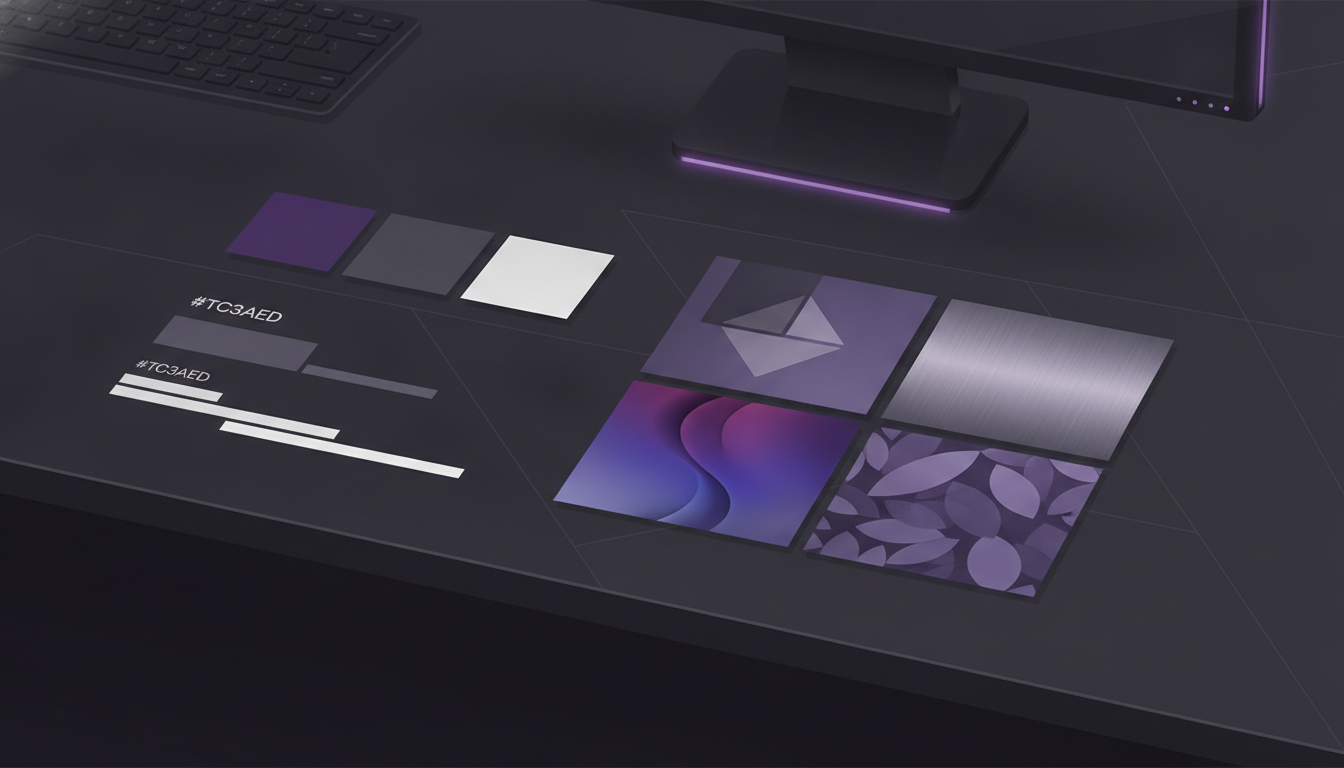
A consistent visual identity comes from defining a small set of core visual rules and applying them without exception across every piece of content. Consistency builds recognition. Recognition builds trust. This is the simplest loop in brand building, and it is the one most brands break when they get bored of their own aesthetic.
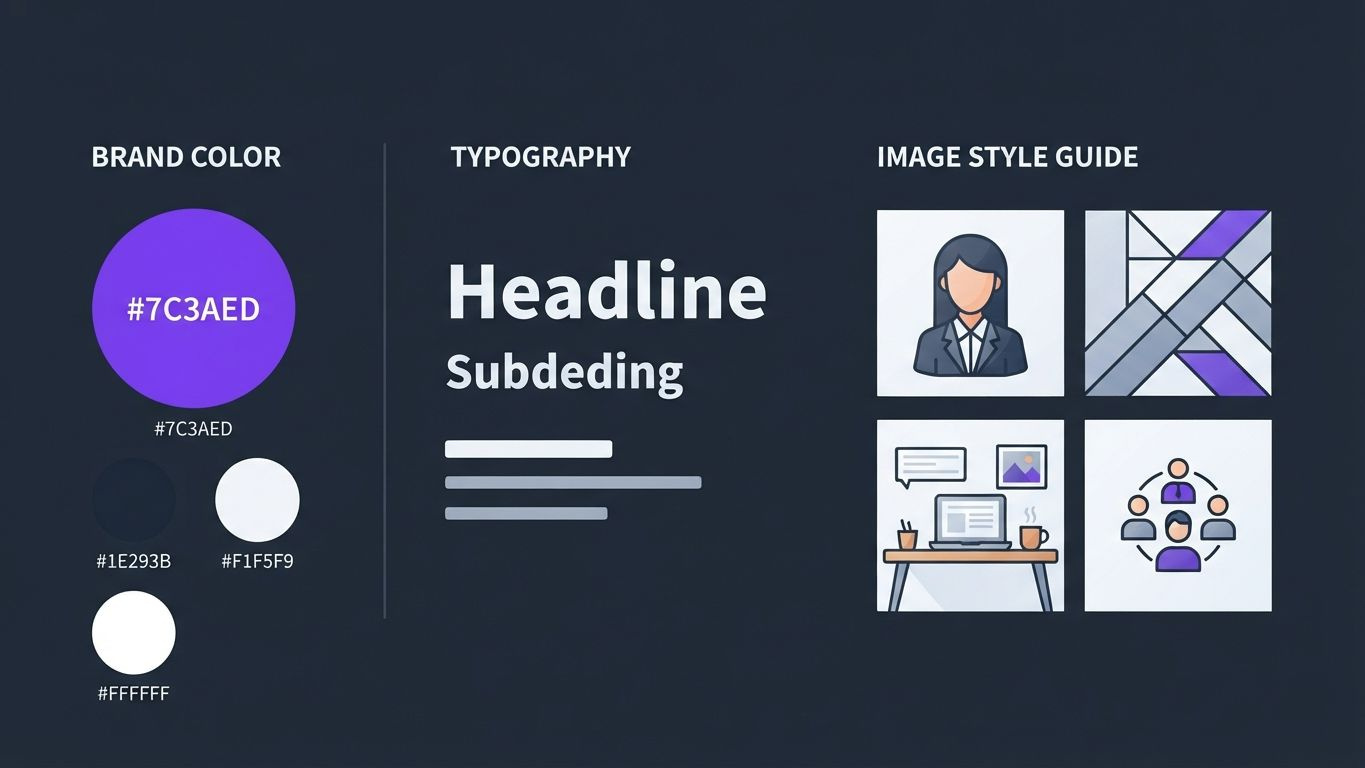
The five core elements of a brand visual identity
- Color palette: Choose 2-3 primary colors and 2-3 secondary colors. Apply them consistently across all content. Consistent color is one of the strongest brand recognition cues.
- Typography: Select one headline font and one body font. Mixing more than two typefaces in a single piece of content creates visual noise, not variety.
- Photography style: Define whether your brand uses bright and airy, dark and moody, documentary-style candid, or studio-clean imagery. Mixed photographic styles feel inconsistent even when individual images are high quality.
- Composition patterns: Recurring compositional choices - centered subjects, negative space on the right, consistent use of flat-lay - create a signature look even without a logo present.
- Motion style: For video, define your editing rhythm. Fast cuts with trending audio signal one brand personality. Slow, deliberate cuts with ambient sound signal another.
Document these choices in a brand visual style guide. This does not have to be a 50-page PDF. A two-page reference sheet with color codes, font names, and three example images for each category is enough to keep a small team aligned.
What are the most effective visual storytelling techniques for social media?
The most effective techniques are those that create an emotional response within the first two seconds. That means strong visual contrast, a clear subject, and an implied story that makes the viewer want to know more. Technique alone does not create story - but technique without story creates nothing worth watching.
Show the process, not just the result
Behind-the-scenes content consistently outperforms polished product shots in engagement. A video showing how your candles are hand-poured will almost always generate more comments than a perfect product photo of the finished candle. Process content does two things simultaneously: it builds trust through transparency, and it gives the audience something to react to.
Use the before-and-after structure
Before-and-after visuals are one of the oldest storytelling formats in marketing because they are impossible to misunderstand. The structure works for products, services, personal transformations, and process improvements. On TikTok and Instagram Reels, the reveal moment in a before-and-after keeps viewers watching to the end - viewers will not leave before seeing the result.
Build visual series, not one-off posts
A single great visual piece gets forgotten. A series of related visual posts, published consistently over time, trains your audience to expect and look for your content. This could be a weekly "behind the design" carousel, a monthly brand milestone video, or a recurring infographic format that makes your data instantly recognizable as yours.
Lead with people, not products
Content that features human faces receives significantly higher engagement than content without them. This holds across platforms and industries. Showing the people behind your brand, the customers who use your product, or even lifestyle imagery with identifiable human subjects creates the social connection that drives shares and saves.
How should you plan and schedule visual content across multiple platforms?
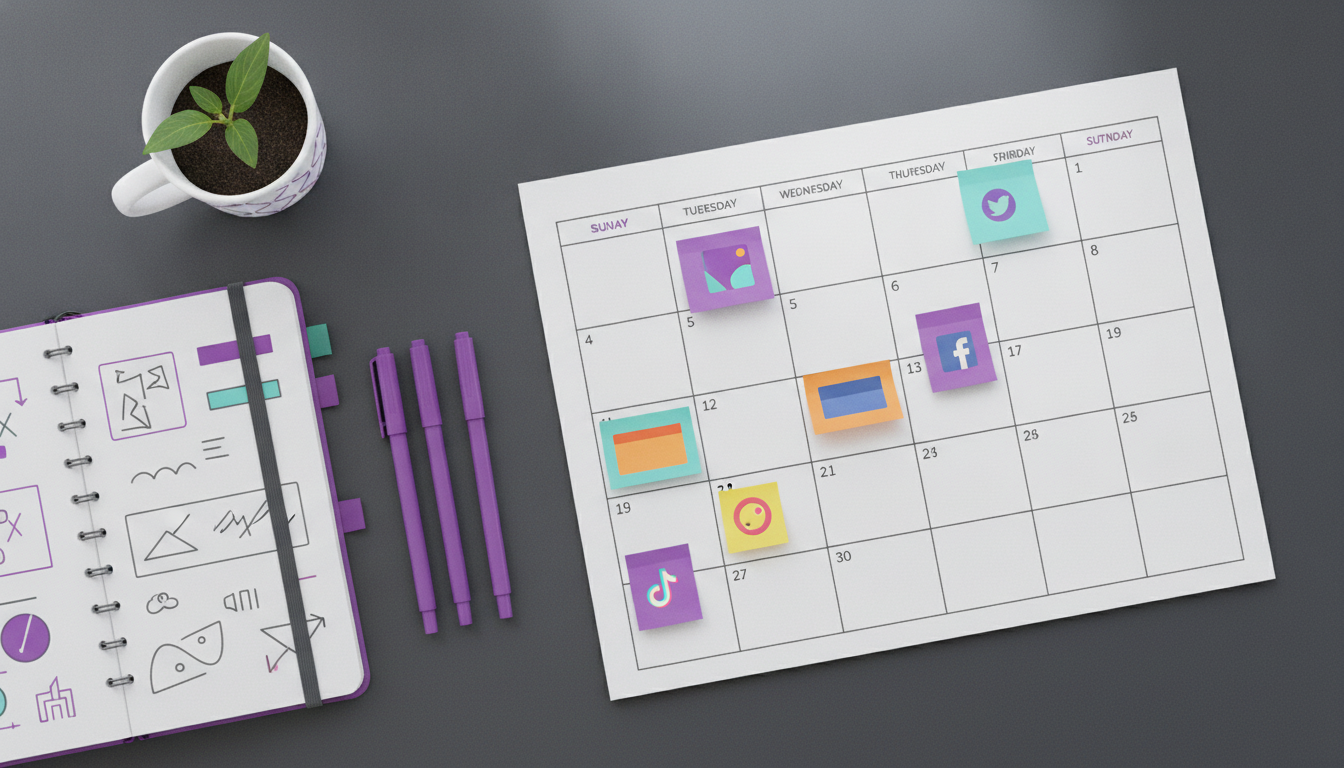
Plan your visual content at least two weeks in advance, organized around themes or narrative arcs rather than individual posts. This shift from post-by-post thinking to story-arc thinking is what separates brands with strong visual narratives from those that simply have active social accounts.
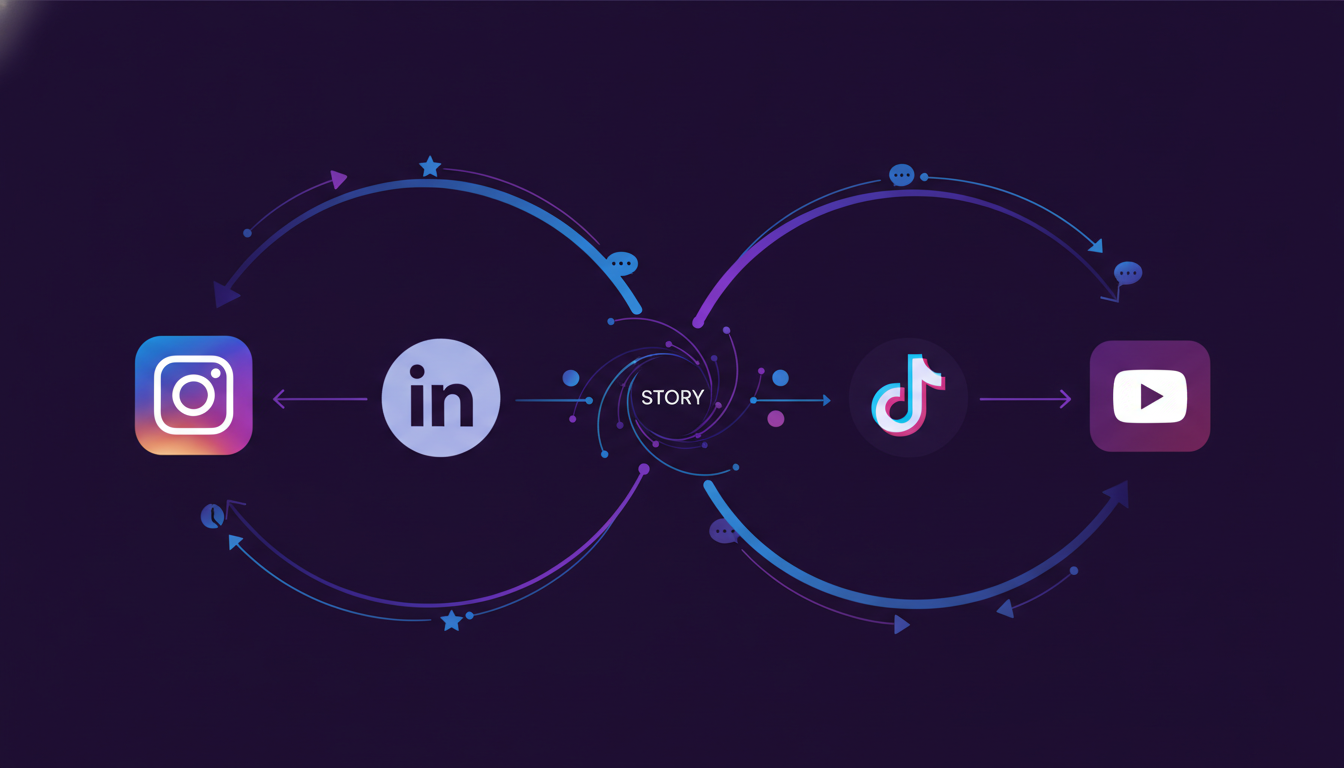
Multi-platform publishing introduces a real challenge: the same visual does not perform equally well everywhere. A tall infographic built for Pinterest needs to be reformatted for Twitter/X. A landscape YouTube thumbnail looks wrong on Instagram. Before scheduling anything, define a repurposing workflow for each piece of content.
A practical visual content planning workflow
- Define your monthly narrative theme. Every piece of content in the month should connect to a central story or campaign idea.
- Map formats to platforms. Decide which format each platform will receive for this theme - video for TikTok and Reels, carousel for LinkedIn, infographic for Pinterest.
- Create the core asset first. Produce the highest-effort version of the content (usually a video or detailed carousel) and then adapt it for other formats.
- Schedule with platform-specific timing in mind. Different platforms have different peak windows. Use your analytics data to confirm posting times for your specific audience.
- Review performance at end of month. Which visual formats drove the most saves, shares, and profile visits? Let the data shape next month's format decisions.
Tools like Brandlix's content calendar make it easier to visualize your entire visual narrative across platforms in one view, which helps you spot gaps and avoid the kind of accidental inconsistency that undermines a carefully built visual identity. You can also use the social media analytics dashboard to track which visual formats actually convert for your audience rather than relying on industry averages.
How do you measure the effectiveness of visual storytelling?
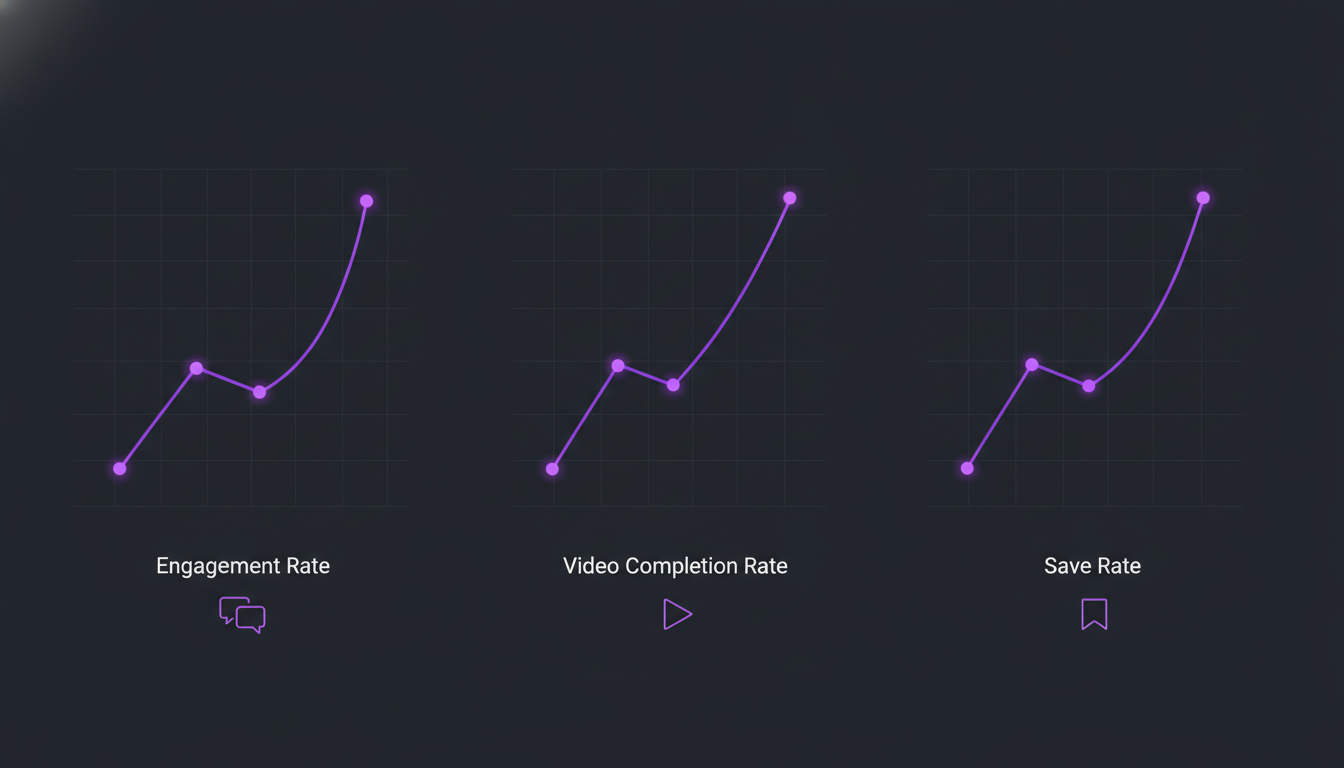
Measure visual storytelling effectiveness through a combination of engagement quality metrics and downstream conversion data. Vanity metrics like total likes are less useful than saves, shares, and video completion rates - these signal whether your visual story actually resonated or just looked nice in the feed.
The most meaningful metrics vary by platform, but there are four that hold up across almost all of them:
- Save rate: A saved post means the viewer found genuine value.
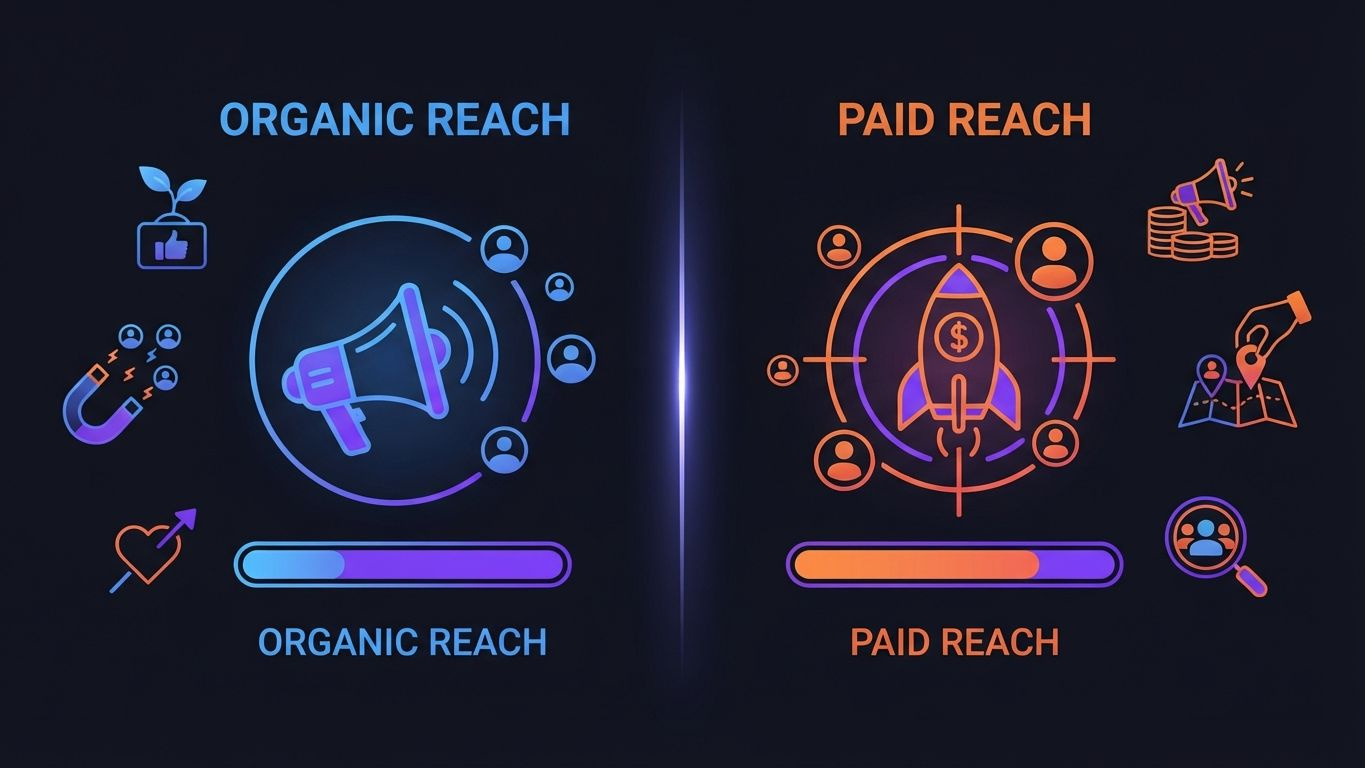
- Share rate: Shares and reposts extend organic reach without paid promotion. Content that tells a relatable visual story gets shared; content that only sells does not.
- Video completion rate: For short-form video, a rising completion rate is a strong signal that your hook and narrative arc are working well together.
- Profile visit rate: When visual content drives people to your profile, it means the story created enough curiosity that the viewer wants to know more about your brand.
Set a 90-day review cycle for your visual strategy. Monthly data is often too noisy to draw conclusions from, but three months gives you enough volume to see genuine patterns in which visual formats, subjects, and styles are building your brand most effectively.
What tools and workflows support strong visual storytelling?
Strong visual storytelling is supported by three categories of tools: creation tools, planning tools, and analytics tools. You do not need every tool in each category - you need the right combination for your team size and content volume.
Creation tools
- Canva: Template-based design with brand kit support. Best for teams without dedicated designers.
- Adobe Express: More design control than Canva, integrates with the broader Adobe ecosystem.
- CapCut: Fast, mobile-first video editing with strong template library for short-form content.
- DaVinci Resolve: Professional video editing for long-form content. Free tier is surprisingly capable.
Planning and scheduling tools
A visual content calendar is non-negotiable for brands publishing on more than two platforms. Trying to manage multi-platform visual content from a spreadsheet or ad hoc scheduling creates gaps, inconsistencies, and missed timing windows. Platforms like Brandlix's AI social media tools allow you to plan, schedule, and adapt visual content across all 10 platforms from one workspace, which removes the operational friction that usually causes visual strategies to break down after the first few weeks.
For platform-specific scheduling, you can also explore dedicated Instagram scheduler tools or a LinkedIn scheduler if your brand is focused on specific channels before expanding to a full multi-platform workflow.
Research and ideation tools
- Pinterest Trends: Shows which searches and aesthetics are rising in specific niches.
- TikTok Creative Center: Identifies trending audio and visual formats in real time.
- The hashtag generator helps surface niche communities where your visual content is most likely to find its target audience organically.
Frequently Asked Questions
How many visual formats should a brand use at once?
Start with two to three formats maximum. Trying to produce every visual format simultaneously usually results in mediocre execution across the board. Pick the formats where your audience is most active and execute them well before expanding. Consistent quality in fewer formats builds a stronger brand than inconsistent presence across all formats.
How often should a brand post visual content?
Posting frequency matters less than posting consistency. Three well-produced visual posts per week, published on a reliable schedule, will outperform seven rushed posts with no coherent narrative. Most platforms reward consistent posting patterns algorithmically, so establishing a rhythm and sticking to it is more valuable than chasing a high volume of output.
Does visual storytelling work for B2B brands, or is it mainly for consumer brands?
Visual storytelling works for B2B brands, often more effectively than B2B brands expect. Decision-makers are still humans responding to visual stimuli. Data visualizations, behind-the-scenes content showing how your team solves problems, and client result carousels are all visual story formats that perform strongly in B2B contexts, particularly on LinkedIn. The aesthetic approach differs from B2C, but the underlying principles are the same.
What is the biggest mistake brands make with visual storytelling?
The biggest mistake is inconsistency. Brands that switch visual styles, color palettes, or content formats every few weeks prevent their audience from forming a clear visual association with the brand. Recognition requires repetition. Choosing a visual direction and committing to it for at least 90 days before evaluating whether to adjust is the single most impactful discipline in visual brand building.
Visual storytelling is one of the highest-leverage investments a brand can make in its social media presence. The brands that stand out in 2026 are not necessarily the ones with the biggest production budgets - they are the ones with the clearest visual identity, the most consistent narrative, and the discipline to plan their content with intention rather than impulse. Start with your visual identity foundations, pick two formats you can execute consistently, and build from there. If you want to manage your visual content across multiple platforms without losing that consistency, explore Brandlix's social media autopilot to keep your publishing schedule on track while your creative energy stays focused on the story itself.