AI and personalization in marketing have quietly become the same conversation. You can't scale one-to-one messaging across ten social platforms without automation doing the heavy lifting behind the scenes. This shift isn't hype anymore - it's how brands keep audiences engaged when everyone is fighting for the same three seconds of attention.
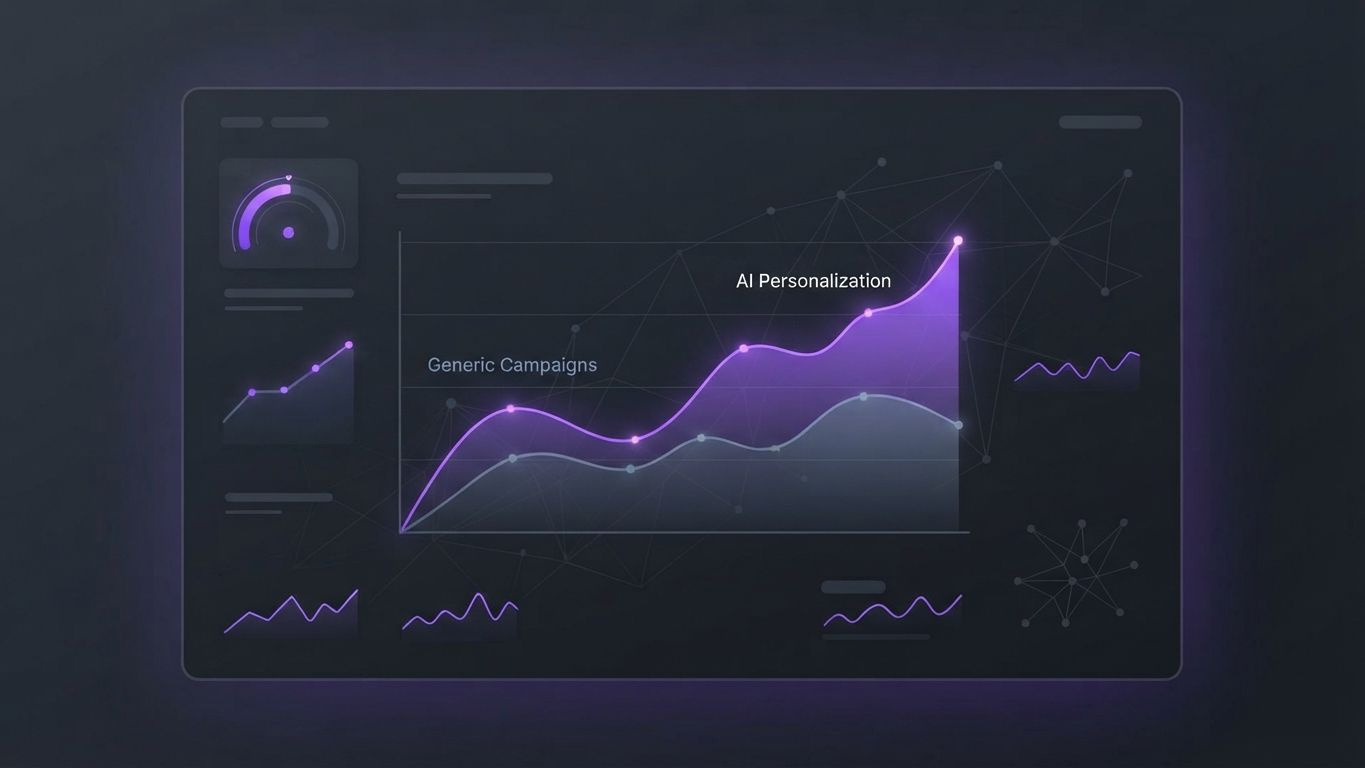
- AI-driven personalization can lift engagement rates significantly by matching content to audience segments rather than blasting one generic message.
- Marketers now use AI for audience segmentation, dynamic content variants, send-time optimization, and predictive product recommendations.
- Over-personalization creates a "creepy line" problem - consumers want relevance, not surveillance.
- Tools like Brandlix combine AI content generation with scheduling data to personalize posting strategy per platform, not just per customer.
- Success depends on clean data, clear consent, and testing - not just plugging in an AI tool and hoping for results.
What does AI-powered personalization actually mean in marketing?
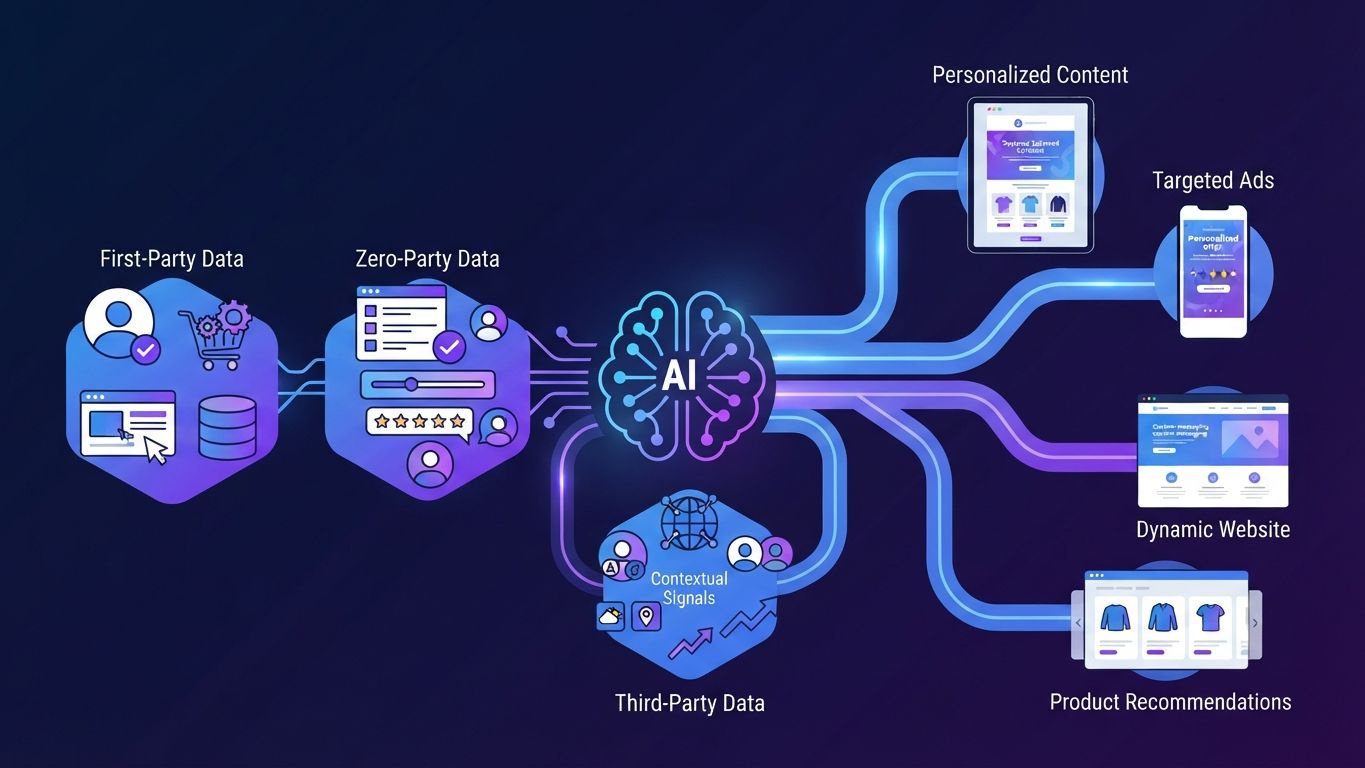
AI-powered personalization means using machine learning models to automatically tailor content, timing, and offers to individual users or micro-segments, instead of relying on manual rules or one-size-fits-all campaigns. It analyzes behavior data - clicks, watch time, purchase history, scroll patterns - and predicts what each person is most likely to respond to.
This goes beyond inserting a first name into an email subject line. Modern AI personalization adjusts entire content structures: which image variant a user sees, which caption tone performs better with them, and even which platform to prioritize for that specific audience segment.
- Dynamic website content that changes based on visitor behavior
- AI-generated ad copy variants tested automatically across audiences
- Personalized product recommendations based on browsing patterns
- Social media captions adapted per platform tone and audience
- Predictive send-time optimization for emails and posts
Brands that combine these tactics report noticeably better click-through rates than static, one-message-fits-all campaigns, according to multiple marketing platform benchmarks published over the last two years.
How much does personalization actually improve marketing results?
Personalization typically improves click-through rates, conversion rates, and customer retention, though the exact lift varies by industry and execution quality. Companies that invest in structured personalization programs consistently outperform those relying on generic broadcast messaging.
Here are figures worth knowing, drawn from publicly available industry reports and platform data:
- Segmented email campaigns generate notably higher open rates than non-segmented sends, based on data from multiple email service providers including Mailchimp's own benchmark reports.
- Netflix has publicly stated that its recommendation algorithm influences a large majority of what subscribers watch, reducing churn tied to content discovery frustration.
- Amazon has cited personalized recommendations as a meaningful driver of its overall sales, a figure the company has referenced in shareholder communications for years.
- Salesforce's "State of the Connected Customer" research has repeatedly found that a majority of consumers expect companies to understand their unique needs and expectations.
- Google's own research on mobile behavior shows users are more likely to buy from sites and apps that customize information to their location and interests.
- Retailers using AI-based product recommendation engines commonly report recommended items account for a substantial share of total revenue on their sites.
- McKinsey's consumer research has found that companies excelling at personalization generate more revenue from those activities than average players in their sector.
- Deloitte's marketing trends research shows companies that scaled personalization initiatives saw measurable gains in marketing ROI compared to those still testing pilot programs.
The pattern across all this data is consistent: relevance drives revenue. But the gains taper off fast when personalization feels forced or robotic.
What tools do marketers use for AI-driven personalization?
Marketers use a mix of customer data platforms, AI content generators, recommendation engines, and social media automation tools to personalize experiences at scale. No single tool does everything, so most teams stitch together two or three systems that share data.
Common categories include:
- Customer Data Platforms (CDPs): Unify behavioral, transactional, and demographic data into one profile per user.
- AI content generators: Produce caption, subject line, and ad copy variants tailored to different segments.
- Recommendation engines: Suggest products, articles, or videos based on past behavior.
- Predictive analytics tools: Forecast churn risk, lifetime value, and next best action.
- Social scheduling and automation platforms: Adjust posting times and content format per platform audience.
On the social side, this is where AI social media agents earn their keep. Instead of manually guessing what tone works on LinkedIn versus TikTok, an AI agent can adapt the same core message into platform-appropriate formats while keeping brand voice consistent. That's a form of personalization too - just aimed at platform audiences rather than individual users.
Teams managing multiple channels also lean on a content calendar to keep personalized variants organized. Without a clear calendar view, it's easy to lose track of which version went where, and duplicate or conflicting messaging tends to creep in.
How can small teams implement AI personalization without a huge budget?
Small teams can implement AI personalization by starting with one channel, using existing free or low-cost tools, and expanding only once they see measurable results. You don't need an enterprise CDP to get meaningful gains - you need clean data and a willingness to test.
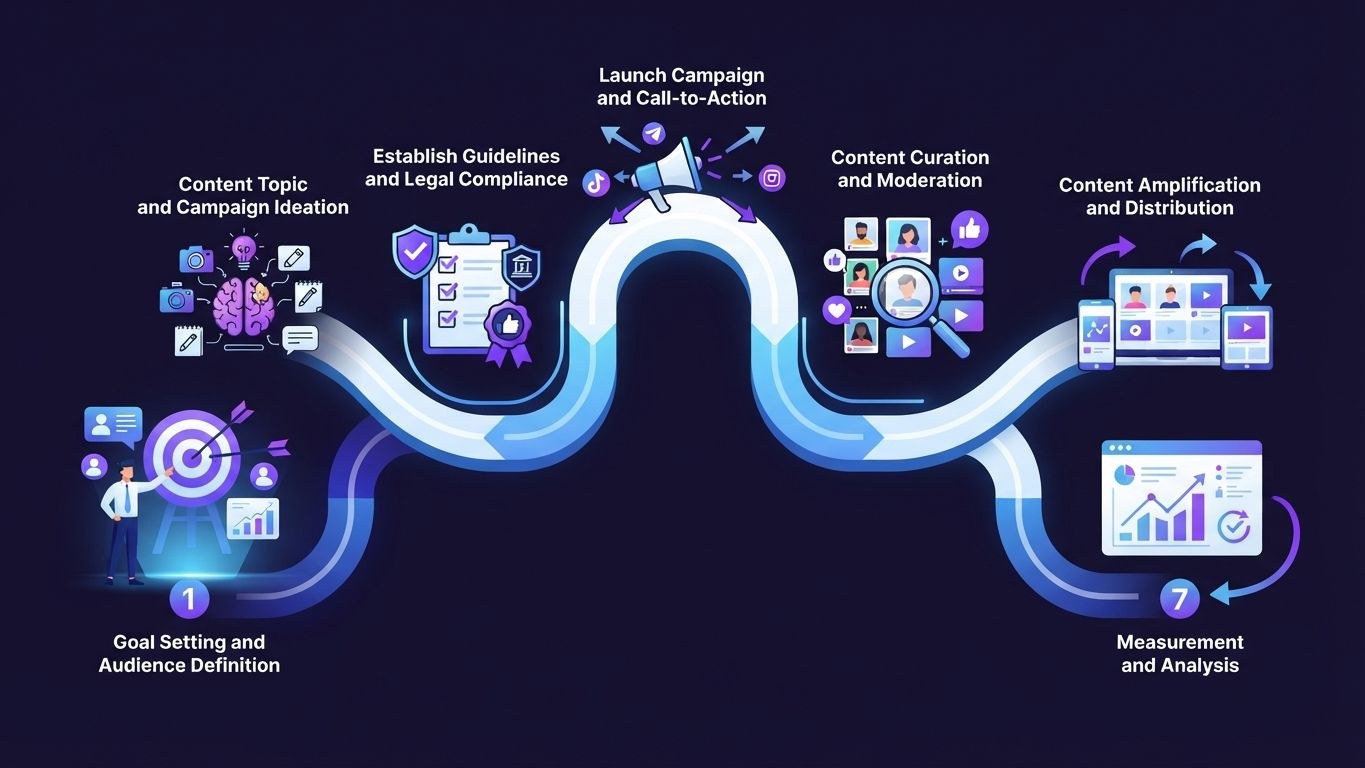
Here's a realistic step-by-step approach:
- Audit your existing data. List what you already collect: email opens, website clicks, social engagement, past purchases. Most teams have more usable data than they realize.
- Pick one high-impact channel first. Email or social media usually gives the fastest feedback loop for testing personalization ideas.
- Segment your audience into 3-5 groups. Base this on behavior (active buyers, browsers, lapsed customers) rather than just demographics.
- Use AI tools to generate content variants per segment. Write one core message, then let AI adapt tone and format for each group.
- Test send times and formats. A free best time to post tool can shortcut a lot of the guesswork here.
- Track results weekly, not daily. Personalization needs a few cycles of data before patterns become reliable.
- Scale what works to a second channel. Once one channel shows consistent lift, replicate the approach elsewhere.
This is exactly the workflow behind Brandlix's approach to social media autopilot features - test small, let the data guide expansion, and avoid over-engineering the process before you have proof it works.
Which personalization tactics work best across different platforms?
The best personalization tactic depends on the platform's algorithm and audience intent - what works on LinkedIn rarely translates directly to TikTok or Pinterest. Matching tactic to platform behavior is more important than the specific AI tool you use.
| Platform | Best Personalization Tactic | Why It Works |
|---|---|---|
| Visual variant testing (carousel vs reel vs single image) | Audience intent is discovery-driven; format changes reach different sub-segments | |
| Tone personalization by job role or industry | Professional audiences respond to relevance over polish | |
| TikTok | Hook personalization based on watch-time drop-off data | First 2 seconds determine most of the retention |
| Audience-based ad copy variants | Older demographics respond to different value framing than younger ones | |
| Seasonal and intent-based board matching | Users search with high purchase intent, so specificity wins | |
| Behavioral trigger sequences | Timing tied to real actions outperforms scheduled blasts |
Notice that none of these tactics require rebuilding your entire content strategy. They require adapting existing content into the right shape for each platform's audience, which is precisely what a good AI social media workflow should automate for you.
What are the risks of over-personalizing marketing content?
The main risk of over-personalization is triggering a "creepy" reaction from consumers, which erodes trust faster than generic messaging ever would. There's a real line between "this brand gets me" and "this brand is watching me too closely," and crossing it costs you customers.
Common mistakes that push personalization into uncomfortable territory:
- Referencing data points customers didn't knowingly share (like inferring pregnancy or health conditions from browsing patterns)
- Over-messaging the same person across too many channels simultaneously
- Using overly familiar language that assumes a relationship that doesn't exist yet
- Ignoring opt-out signals and continuing hyper-targeted retargeting
- Personalizing based on stale or incorrect data, leading to embarrassing mismatches
Research from Salesforce and other customer experience firms consistently shows a split: consumers want relevance but also want control over their data and transparency about how it's used. The brands that win long-term are the ones that ask for consent clearly and explain the value exchange, not the ones that quietly track everything possible.
A practical rule: if you wouldn't be comfortable explaining out loud why you're targeting someone with a specific message, don't run that campaign.

How do you measure if your AI personalization strategy is working?
You measure AI personalization success by comparing engagement, conversion, and retention metrics between personalized segments and a control group receiving generic content. Without a control group, you're guessing whether the lift came from personalization or just normal fluctuation.
Key metrics to track:
- Click-through rate (CTR) by segment - compare personalized vs generic variants side by side
- Conversion rate lift - the percentage improvement attributable to personalized content
- Customer retention rate - does personalization reduce churn over 3-6 months
- Average order value - personalized recommendations often increase basket size
- Unsubscribe or opt-out rate - a rising rate signals personalization has crossed into unwanted territory
Platforms with built-in social media analytics make this comparison far easier, since you can see engagement broken down by content variant and audience segment without exporting data into five different spreadsheets. If you're testing personalized captions or hashtags, pairing analytics with a hashtag generator can help you isolate which variable actually drove the change.
Run tests for at least two to three weeks before drawing conclusions. Social algorithms fluctuate, and a single good day doesn't prove your personalization strategy works.
What does the future of AI personalization in marketing look like?
The future of AI personalization points toward real-time, cross-channel adaptation, where content adjusts not just per segment but per individual session, using signals like device, time of day, and even current weather or local events. This is often discussed under the term AI content generation, which covers how models produce ready-to-use variants automatically rather than requiring a human to write each one.
Expect these shifts over the next few years:
- More brands using predictive send-time and post-time optimization as standard practice, not a novelty
- Greater regulatory scrutiny on data usage, pushing brands toward consent-first personalization models
- AI agents handling entire campaign adaptation across platforms, similar to how a social media automation system manages scheduling today
- Smaller businesses gaining access to personalization tools previously limited to enterprise budgets
The gap between brands that personalize well and those that don't will likely widen, not shrink. Consumers are getting used to relevant content, and generic messaging increasingly reads as a sign a brand hasn't invested in understanding its audience.
How does Brandlix help with AI personalization across social channels?
Brandlix helps by combining AI content generation with platform-specific scheduling and analytics, so you can adapt one core message into variants for all 10 supported platforms without manually rewriting everything. That's personalization at the platform-audience level, paired with data to show what's actually working.
Instead of managing separate tools for content creation, scheduling, and performance tracking, you get one workflow that connects the three. For teams juggling Instagram, LinkedIn, TikTok, and more at once, that connection is what makes personalized posting sustainable instead of a constant scramble.
Frequently Asked Questions
Is AI personalization only useful for large companies with big budgets?
No. Small teams can start with free or low-cost tools, focus on one channel, and segment their audience manually before investing in bigger platforms. The core principle - relevant content over generic broadcasts - scales down just as well as it scales up.
Does AI personalization require a lot of customer data to work?
You need some behavioral data, but not massive datasets. Even basic signals like email opens, past purchases, or social engagement history are enough to build 3-5 useful audience segments and start testing personalized content.
What's the difference between personalization and targeting?
Targeting decides who sees your content, while personalization decides what that content looks like once they see it. Both work together, but personalization is specifically about tailoring the message, tone, or format to the individual or segment.
How long does it take to see results from AI personalization?
Most teams see early signals within two to three weeks, though reliable trends usually take a full sales or content cycle to confirm. Testing too briefly often leads to false conclusions based on normal daily fluctuation.
AI and personalization in marketing aren't going away, and the brands treating it as a one-time project instead of an ongoing practice will keep losing ground to those who test, measure, and adjust constantly. Start with one channel, one segment, and one clear metric to track. If you want a platform that ties AI content creation directly to scheduling and analytics across ten channels, Brandlix is built exactly for that workflow.