A strong cross-platform social media strategy is no longer optional. Brands that show up consistently across multiple channels can reach far more of their audience than those focused on a single platform. But posting the same content everywhere without a plan is just noise. This guide walks you through building a strategy that works across all your channels - without burning out your team.
- A cross-platform strategy means adapting content for each channel, not just reposting it everywhere
- Brands using 3 or more platforms give their audience more touchpoints with the brand
- Platform-native formats - Reels, Carousels, Shorts - tend to outperform content that is simply reposted
- Audience research per platform is the single most important first step
- A unified content calendar keeps your messaging consistent while allowing platform-specific customization
What Is a Cross-Platform Social Media Strategy and Why Does It Matter?
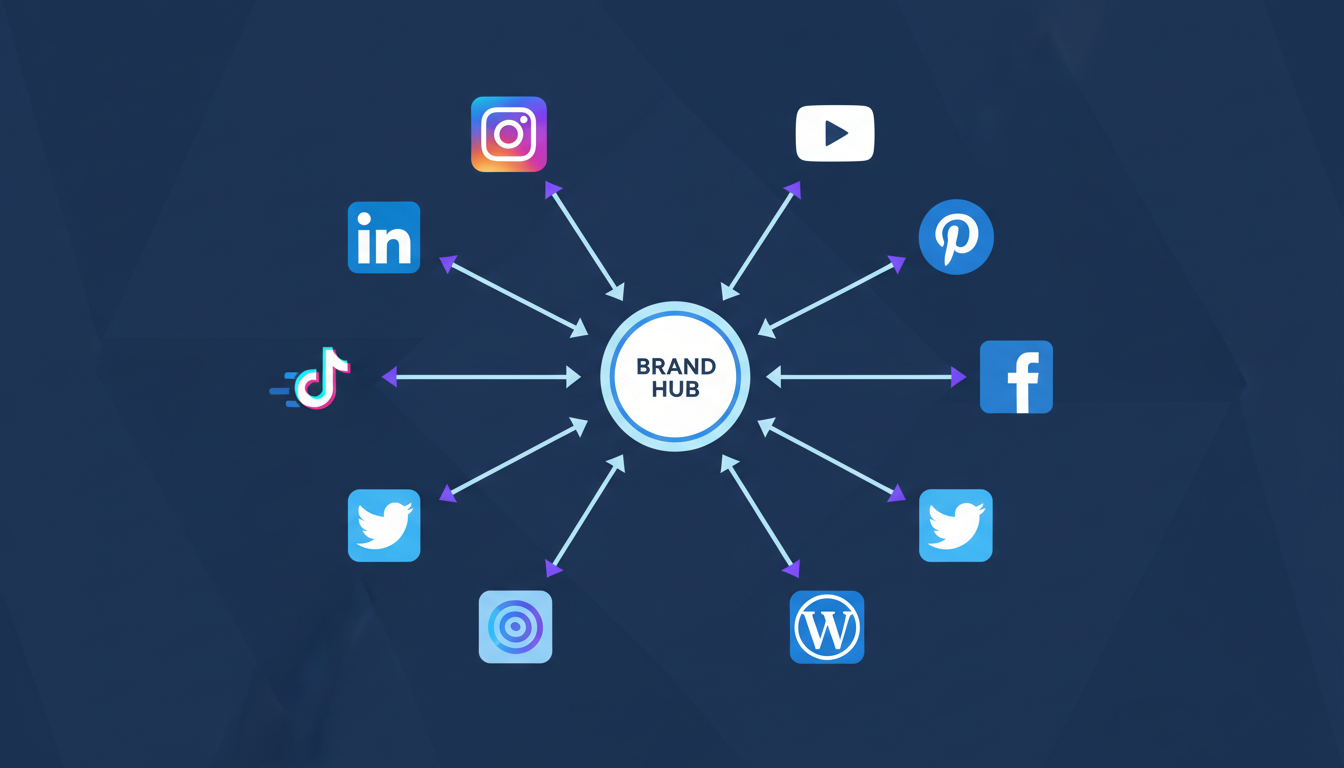
A cross-platform social media strategy is a coordinated plan for creating, adapting, and distributing content across multiple social networks - while keeping your brand voice and goals consistent. It is not the same as copy-pasting one post to ten platforms. Each platform has its own algorithm, audience behavior, and content format that rewards native content.
The numbers make the case clearly. According to Hootsuite's 2026 Global Social Trends Report, the average internet user now actively uses 6.7 social platforms per month. If your brand only lives on one or two of them, you are invisible to a large portion of your potential audience.
A well-executed cross-platform approach lets you reach different audience segments, reinforce your brand message through repetition, and collect richer data about what content resonates where. It also protects you against algorithm changes on any single platform - a lesson many brands learned the hard way when organic reach on Facebook dropped below 2% for business pages.
Single-Platform vs. Multi-Platform: What the Data Shows
The performance gap between single-channel and multi-channel brands has widened significantly. Brands active on four or more platforms have more ways to send referral traffic to their website compared to those sticking to one or two networks. That alone is worth the extra planning effort.
How Do You Audit Your Current Social Media Presence Across Platforms?
Before building anything new, you need a clear picture of where you stand today. A social media audit identifies which platforms are already working for you, which are draining resources without returns, and where gaps exist. Start here before spending another minute on content creation.
- List every active profile - Include dormant accounts. A neglected profile with your brand name can hurt credibility as much as help it.
- Pull 90-day performance data - Gather follower growth, reach, engagement rate, click-through rate, and any conversion data per platform.
- Benchmark against industry averages - According to Rival IQ's 2026 Social Media Industry Report, the median engagement rate across industries differs a lot by platform, so compare each channel only with its own median.
- Identify your top three performing content types per platform - video, carousel, static image, text post, or link post.
- Note audience demographics per channel - Your LinkedIn audience and your TikTok audience are probably very different people, even if they both follow your brand.
- Document posting frequency and consistency - Consistency matters more than frequency. Brands that post on a consistent schedule tend to build steadier organic reach over time.
Once the audit is done, you have a factual baseline - not assumptions. This is what makes your future decisions defensible.
How Do You Define Goals for Each Platform Without Losing Your Overall Direction?
Set one primary goal per platform, aligned to a single overarching brand objective. Trying to drive sales, build community, and generate leads simultaneously on every platform leads to unfocused content that performs poorly everywhere. The key is a tiered goal structure: one brand-level goal at the top, platform-specific goals underneath.
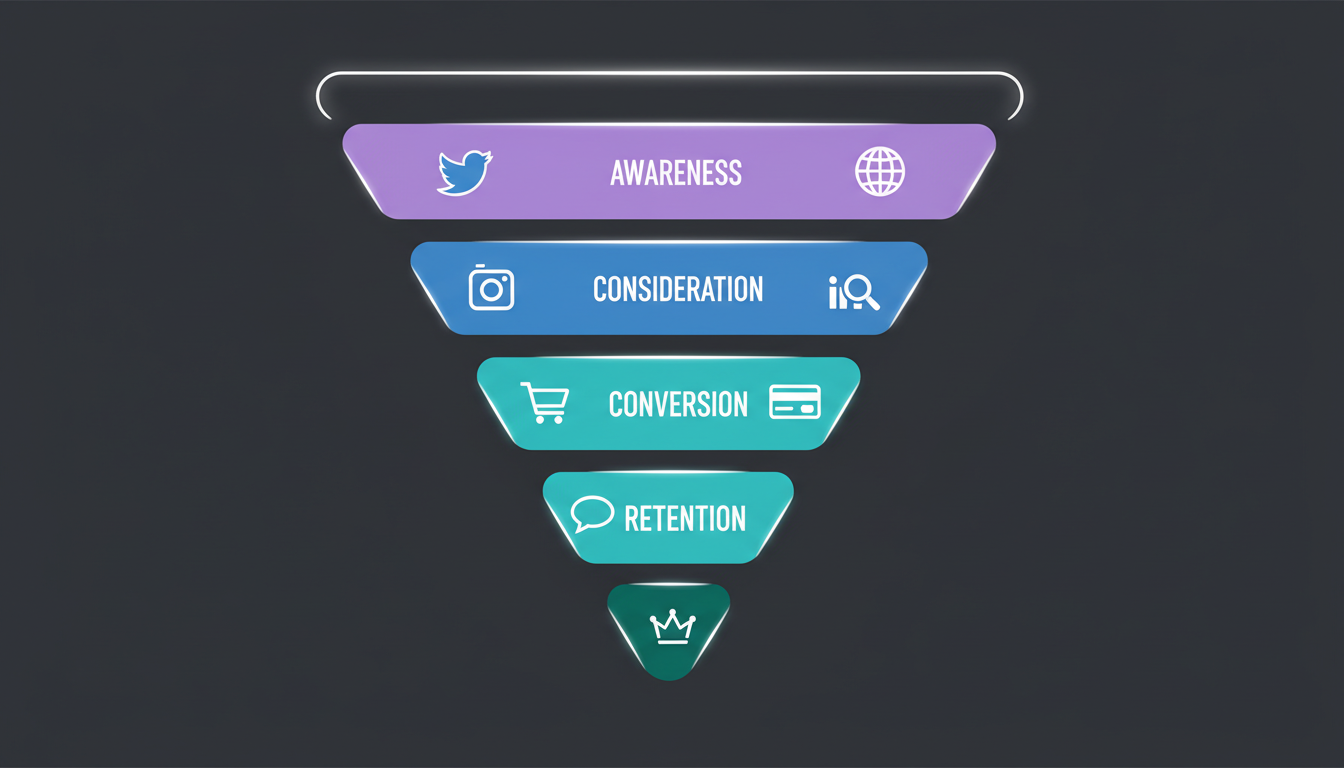
A common framework that works well in practice is the Awareness - Consideration - Conversion model assigned across platforms:
| Platform | Primary Goal | Key Metric | Content Type That Works Best |
|---|---|---|---|
| Brand Awareness | Reach, Impressions | Reels, Stories, Carousels | |
| Thought Leadership | Post Impressions, Profile Views | Long-form text, Document posts | |
| TikTok | Top-of-Funnel Discovery | Video Views, Follower Growth | Short-form video, Trends |
| Community Building | Group Engagement, Comments | Groups, Live Video, Events | |
| Website Traffic | Outbound Clicks, Saves | Vertical images, Infographics | |
| YouTube | SEO and Long-form Authority | Watch Time, Subscribers | Tutorials, Reviews, Series |
| Twitter/X | Real-time Engagement | Replies, Reposts | Short takes, Threads, News commentary |
| Threads / Bluesky | Community Conversation | Replies, Followers | Text posts, Opinion threads |
Assigning goals this way prevents the trap of measuring Instagram by LinkedIn metrics or vice versa. Each platform gets its own success criteria, but all of them ladder up to your brand objective.
What Does Platform-Native Content Actually Mean in Practice?
Platform-native content is content built for the specific format, culture, and algorithm of a given network - not adapted from somewhere else. A LinkedIn article repurposed as a TikTok script without changes will underperform both formats. Native content consistently outperforms repurposed content: Instagram, for example, has said it shows Reels with another app's watermark to fewer people.
The Content Pillar Approach
Rather than creating entirely separate content for every platform from scratch, smart teams start with content pillars - 3 to 5 core themes that represent the brand's expertise. From each pillar, you create a "content core" (a long-form piece, a data point, or a core idea) and then adapt it into platform-native formats.
- Long-form YouTube video becomes short clips for TikTok and Instagram Reels
- LinkedIn article becomes a Twitter/X thread and a Threads discussion prompt
- Original data or statistic becomes a Pinterest infographic and an Instagram carousel
- Customer success story becomes a Facebook post, a WordPress blog post, and a LinkedIn case study
This system reduces content creation time considerably while maintaining quality across platforms. The key difference between repurposing and adapting is intentionality - you are not changing the format lazily, you are rebuilding the message to fit the platform's native language.
Format Specifications That Actually Matter
Knowing the right specs prevents your content from looking amateurish. Vertical video (9:16 aspect ratio) is now the dominant format on TikTok, Instagram Reels, and YouTube Shorts. LinkedIn rewards document carousels and detailed long-form posts. Pinterest prioritizes fresh pins over repins, meaning you need a steady stream of new vertical images. These are not small details - they directly affect algorithmic distribution.
How Do You Build a Unified Content Calendar for Multiple Platforms?
A unified content calendar is the operational backbone of any cross-platform strategy. It gives you visibility over what is going out, when, and where - without the chaos of managing separate spreadsheets for each channel. The goal is one source of truth that your whole team can work from.
- Choose your calendar cadence - Plan in 4-week blocks. This is long enough to see patterns and short enough to stay flexible.
- Map content to platforms and goals - Each calendar entry should show the platform, content type, goal it serves, and the publication date.
- Assign platform-specific copy and assets - Do not use the same caption everywhere. Write platform-appropriate copy for each distribution channel.
- Include content themes by week - Thematic weeks (product focus, community spotlight, educational content) help maintain variety and strategic coherence.
- Build in review and approval stages - Rushed content leads to off-brand posts. A two-stage review process (draft review, final approval) catches errors before publication.
- Schedule buffer days - Leave at least 20% of your calendar as open slots for reactive or trending content. Brands that respond to trends within 24 hours can catch the attention while it lasts.
Tools like Brandlix can help consolidate your calendar across all 10 major platforms, letting your team manage scheduling, drafting, and approval workflows in one place - rather than jumping between native platform schedulers.
How Do You Maintain a Consistent Brand Voice Across Different Platforms?
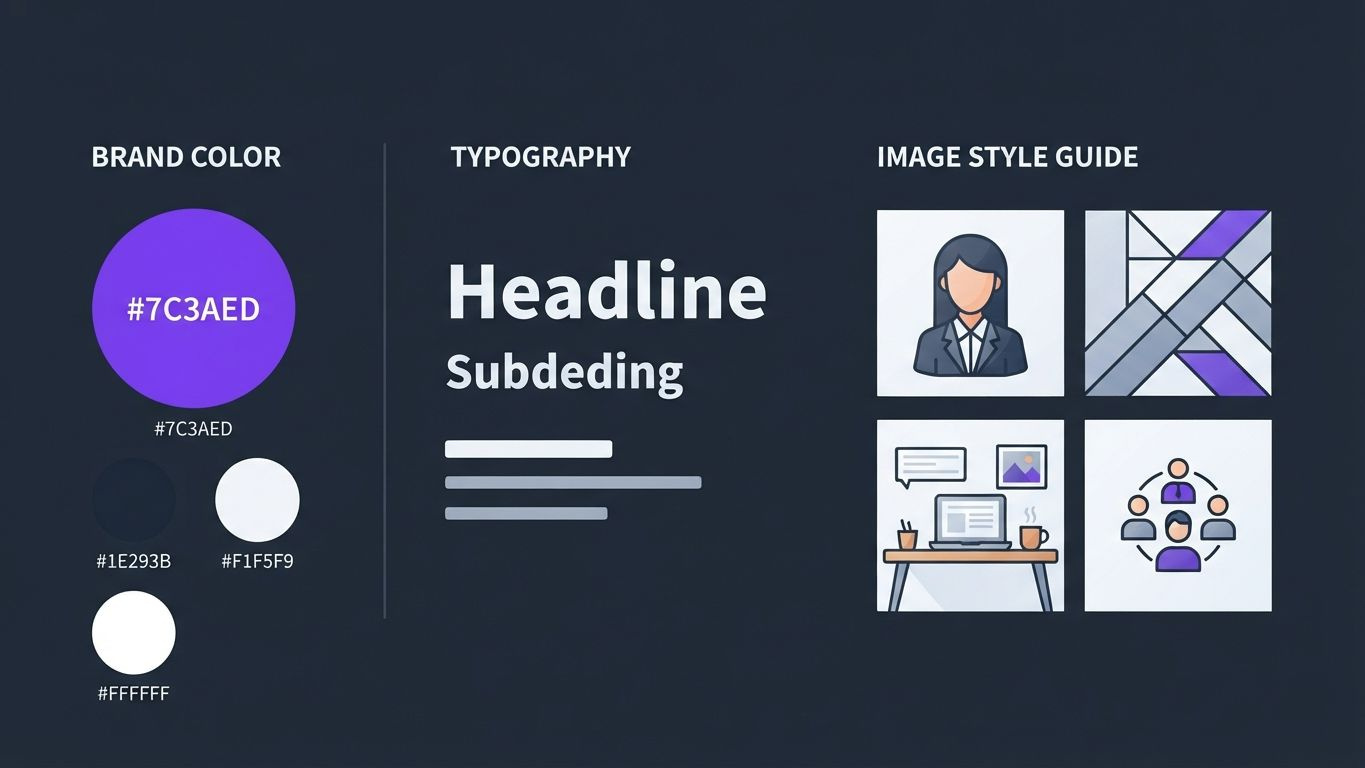
Your brand voice should be recognizable on every platform, even when the tone shifts. Think of it this way: your personality stays the same whether you are writing a formal report or texting a friend. The words and register change, but the underlying character does not. The same principle applies to social media.
Creating a Voice and Tone Guide
A brand voice guide does not need to be a 50-page document. It needs three things: a description of your brand's core character, a list of words you use and words you avoid, and platform-specific tone adjustments. For example:
- Core character: Knowledgeable, direct, and a little opinionated
- Words you use: Specific, straightforward, clear, practical
- Words you avoid: Jargon, buzzwords, anything vague
- LinkedIn tone: Professional, detailed, data-driven
- TikTok tone: Casual, fast, personality-forward
- Twitter/X tone: Sharp, opinionated, concise
Brands with a documented voice guide find it much easier to keep strong brand consistency across channels. That reflects how much a simple written guide changes day-to-day execution, especially for teams managing multiple contributors.
How Do You Measure and Optimize a Cross-Platform Social Media Strategy?
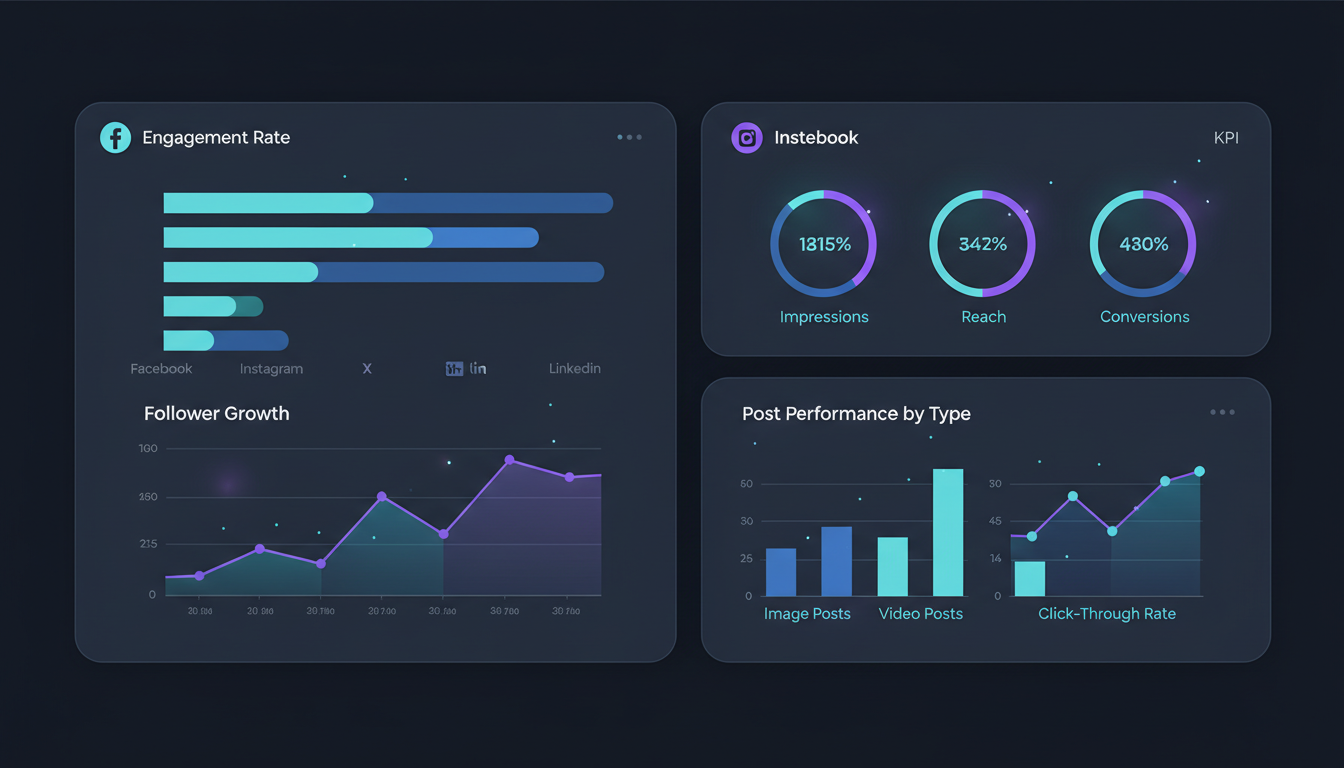
Measuring a cross-platform strategy requires tracking both platform-specific metrics and unified business outcomes. Looking only at vanity metrics like follower counts will mislead you. The metrics that matter connect social activity to business results - traffic, leads, revenue, or retention.
The Two-Level Measurement Framework
Organize your measurement into two levels:
- Level 1 - Platform metrics: Reach, impressions, engagement rate, video views, saves, link clicks. These tell you how well your content performs on each individual platform.
- Level 2 - Business metrics: Website sessions from social, conversion rate from social traffic, email sign-ups, demo requests, purchases attributed to social. These tell you whether social is contributing to your actual goals.
Review Level 1 metrics weekly. Review Level 2 metrics monthly. Quarterly, compare both levels to identify which platforms are generating reach without business value - and whether that is acceptable (brand awareness plays) or a problem (supposed conversion channels that are not converting).
What to Do When a Platform Is Underperforming
Do not immediately abandon a platform that is not hitting its numbers. First, check three things: posting frequency, content format alignment, and whether your audience actually uses that platform. Brands that initially struggle on a platform often see improvement simply by switching to platform-native content formats. Patience combined with format correction almost always outperforms platform abandonment.
Frequently Asked Questions
How many social media platforms should a brand be active on?
There is no single right answer, but many brands do best when they are active on 3 to 5 platforms consistently, rather than spreading thin across 8 or more. Start with the platforms where your audience already spends time, establish a consistent presence there, and only expand when you have the resources to maintain quality.
Can you use the same content on every platform?
You can use the same core idea, but the format, caption length, visual style, and tone should be adapted for each platform. Identical posts published everywhere typically underperform because algorithms favor native content, and audiences on each platform have different expectations. Adapting content - not just reformatting it - is the difference between average and strong cross-platform performance.
How do you handle different audience demographics across platforms?
Treat each platform's audience as a distinct segment with its own needs and context. Use your audit data and native analytics to understand who is on each platform. Then adjust your messaging, not your brand values - your positioning stays consistent, but the angle, vocabulary, and content depth should match what that specific audience responds to.
How often should you update your cross-platform strategy?
Do a light review monthly (based on performance data) and a deeper strategic review every quarter. Platform algorithms, features, and audience behaviors shift quickly. A strategy that worked perfectly in Q1 may need significant adjustments by Q3. Build in structured review cycles so you are adapting based on data rather than reacting to crises.
Building a Strategy That Holds Together
A cross-platform social media strategy works when it is built on three things: clear goals per platform, content that respects each channel's native format, and a measurement system that connects activity to outcomes. None of that requires a massive team or an unlimited budget. It requires clarity, consistency, and a willingness to treat each platform as its own ecosystem rather than a duplicate distribution channel.
Start with your audit, assign platform goals, build your content pillars, and create a calendar you can actually maintain. The brands that win on social in 2026 are not the ones posting the most - they are the ones posting with the most intention. If you want to manage all of this from a single workspace, Brandlix brings your scheduling, content, and analytics across all 10 platforms into one view, so your strategy stays coherent even as your output scales.